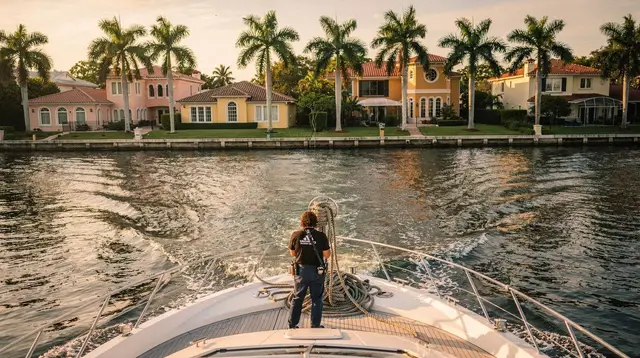
Where Key Largo sits on the Overseas Highway
Key Largo is the first of the Florida Keys, reached from Miami in about an hour by car — roughly 55 miles (90 km) south on US-1, no bridges to speak of yet, just a straight run through Homestead and South Dade before the road narrows and the water shows up on both sides. That one-hour figure is the number worth remembering: it’s short enough that Key Largo works as a half-day or full-day trip without committing to an overnight, which is exactly why so many visitors treat it as a test run before deciding whether to keep driving.
This is also where a Keys trip forks into two different kinds of days. Some visitors come to drive — down through Islamorada, over the Seven Mile Bridge at Marathon, all the way to Key West. Others come to get in the water, and for that group, Key Largo alone can be the whole trip: the reef here is close, well-marked, and doesn’t require the extra hours south. If snorkeling, diving or a boat trip is the point of the day, there’s a reasonable argument for stopping here rather than pushing on. The road does continue south past Key Largo for anyone going further — you’ll keep driving on the right, as everywhere in the US — but how long that continues and what’s worth stopping for belongs to the Overseas Highway guide and the pages for each key further down the road.
Most visitors arrive from Miami by rental car — see the notes on renting a car and dealing with Florida’s tolls before setting out, since a couple of the fastest routes south run through toll sections. International visitors flying into Miami International or Fort Lauderdale-Hollywood on the Visa Waiver Program need an approved ESTA before travel, not a visa; it’s an online authorization, not a stamp you get on arrival.
John Pennekamp Coral Reef State Park
The park is the reason most people come to Key Largo, and it’s built around water rather than land. John Pennekamp Coral Reef State Park protects a strip of living coral reef a few miles offshore, along with mangrove creeks and a swimming lagoon closer to shore. There’s a visitor center with an aquarium, but the actual draw is what’s underwater, and almost none of it is visible from the beach.
Three ways to see the reef, roughly in order of effort:
| Option | What it involves | Rough price range |
|---|---|---|
| Glass-bottom boat | Ride out over the reef, look down through the hull, stay dry | $30-45 per adult |
| Snorkeling trip | Boat out to a reef site, mask and fins, guided in the water | $50-90 per person |
| Scuba diving | Certified dives on reef or wreck sites, gear included or rented | $90-180+ per person, more for wreck dives |
Prices vary by operator and season — check the current listing before booking rather than treating any figure here as fixed. The park charges its own vehicle entry fee for anyone driving in to use the beach, lagoon or kayak launch directly; boat trips that depart from marinas nearby are priced separately by the tour operator, not by the park.
If you’d rather stay dry and still see coral, the glass-bottom boat is the honest choice — it’s a real look at the reef, not a consolation prize, and it works for people who don’t swim or don’t want to get wet. For most visitors, though, a guided snorkeling trip out to the reef is the better use of a few hours: you’re actually in the water over living coral, and a guide points out what’s easy to miss from the surface. Divers have more sites to choose from, including one of the better-known wrecks in the Keys — more on that below.
Molasses Reef and the wreck dives
Molasses Reef is the single most-dived site off Key Largo, and for good reason: it’s shallow enough for snorkelers, varied enough for divers, and close enough that boats reach it in twenty or thirty minutes. Expect elkhorn and brain coral formations, parrotfish, barracuda hanging in the current, and on a good-visibility day, sea turtles. A snorkeling trip to Molasses Reef is the closest thing Key Largo has to a signature outing, and it’s a reasonable pick for a first Keys snorkel if you’ve never done one.
Divers with certification have a different landmark: the Spiegel Grove, a decommissioned Navy ship sunk deliberately as an artificial reef in 2002. It sits in around 130 feet of water, which puts the deepest parts of the wreck beyond recreational limits for less experienced divers — this is a dive for people with open-water certification and some experience, not a first dive. Operators run it as a two-tank trip alongside a shallower reef site. It’s worth being honest about who this is for: casual snorkelers should skip it and stick to reef sites; it’s built for certified divers who specifically want wreck diving.
For more on what’s actually growing and swimming out there — the reef structure itself, why it’s protected, and what a healthy stretch of coral looks like versus a bleached one — the Florida Keys coral reef guide covers the ecology in more depth than a single destination page can. The park itself, including the visitor center, aquarium and how the entry fee works, has its own dedicated page at the John Pennekamp Coral Reef State Park guide, and the broader question of snorkeling and diving in Key Largo is worth reading before comparing operators.
Deciding: Key Largo alone, or the start of a longer Keys trip
Key Largo answers a question that comes up early in any South Florida itinerary: road trip through the Keys, or a water-focused day from Miami? The reef and the park make the case for treating Key Largo as a destination rather than a drive-through, especially for anyone whose main interest is snorkeling or diving rather than beach towns.
If you’re deciding between the two, a few honest points:
- Islamorada, about 20 minutes further south, is built around sport fishing and has its own draws like Theater of the Sea — worth reading about separately rather than assuming Key Largo covers the same ground.
- Marathon, with the Seven Mile Bridge and the Turtle Hospital, is a longer drive still and makes more sense as an overnight stop than a same-day add-on to Key Largo.
- Key West is genuinely far — treating it as a quick add-on to a Key Largo day is a mistake covered in more detail on the Key West day trip page; it isn’t a Key Largo problem to solve here.
- The Dry Tortugas, further still, aren’t reachable by road at all — they’re a separate trip out of Key West, covered on their own page.
For a Miami-based trip with limited time, Key Largo alone — park, reef, maybe a wreck dive — is a complete and satisfying day. It doesn’t need to be padded out with a rushed drive to keys it can’t properly cover in the same afternoon.
If you’re still weighing Key Largo against a full run to the far end of the Overseas Highway, the Key Largo versus Key West day trip comparison lays out the honest trade-offs, and the driving versus bus tour page covers whether to self-drive or book a guided coach if you do decide to go all the way. For a dedicated look at Key Largo as its own day trip from Miami, with timing built around the park and a boat trip rather than a drive-through, see the Key Largo day trip guide and the things to do in Key Largo overview.
Beyond the reef: boat trips without a mask
Not every Key Largo outing centers on snorkeling gear. A sunset cruise out of Key Largo is a lower-effort way to spend an evening on the water — no fins, no reef briefing, just open water and the light changing over the Keys. It suits anyone who wants the boat time without the swimming, or a couple looking for something calmer than a snorkeling charter after a day at the park.
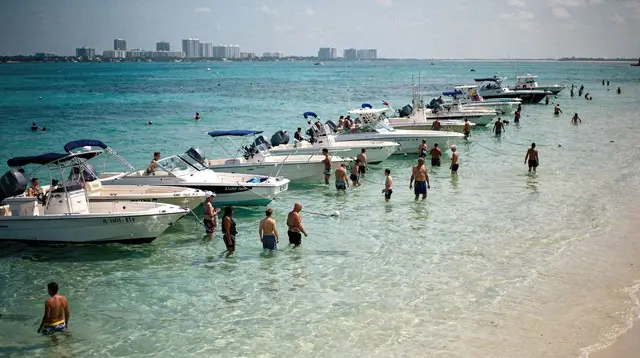
There’s also a middle option for groups who want to be on the water without a structured dive plan: a sandbar boat trip, where the water is shallow enough to stand in and the pace is closer to a beach day than a tour. It’s a reasonable choice for families with younger kids who aren’t ready for open-water snorkeling but still want to be out on a boat. For the full range of boat charters running out of Key Largo — sunset cruises, sandbar trips, private charters and more — the Key Largo boat tours and cruises guide lays out the options side by side.
Fishing is another reason some visitors add a night here rather than treating it as a pure day trip: Key Largo sits along the same stretch of water covered in the broader Miami sport fishing guide, and a few operators run half-day reef or backcountry fishing charters alongside their snorkeling and diving trips.
Getting there and getting around
From Miami, US-1 south is the direct route, and the drive is straightforward — no tolls, no complicated interchanges, just a couple of hours’ buffer built in if traffic backs up near Homestead on a weekend. There’s no public transit link from Miami to Key Largo worth relying on; this is a car trip, or a tour that includes transport. Pickup-included day trips exist specifically for visitors without a rental car — worth checking if you’re staying in Miami or Miami Beach without your own vehicle.
Once in Key Largo, a car is genuinely useful: the park, marinas and dive shops are spread along several miles of US-1 rather than clustered in a walkable center. Parking at the park itself is fee-based and can fill on weekends in the December-to-April high season.
Visitors flying in rather than driving down from a Miami hotel should check the Miami airport and cruise port transfer guide for getting from Miami International to wherever they’re staying before continuing on to the Keys the next day.
When to go
Key Largo’s underwater visibility follows the same seasonal split as the rest of South Florida. December through April is the more reliable stretch: calmer seas, clearer water, and the more comfortable air temperatures of the dry season. May through October brings warmer water and often good diving too, but afternoon thunderstorms are more frequent and can cancel or delay boat trips with little notice — worth building slack into a summer visit.
Hurricane season runs June 1 through November 30 across the Atlantic basin, with the highest activity from August to October; it doesn’t rule out a summer trip, but travel insurance and flexible bookings are a reasonable precaution in those months rather than something to dismiss. The Miami hurricane season guide covers what that actually means for a trip in practical terms — most days are unaffected, but it’s worth understanding before booking non-refundable boat trips deep in that window.
What to bring and what to skip
Reef-safe sunscreen is worth the small extra cost — some operators and the park itself discourage sunscreens with oxybenzone or octinoxate near the reef. Bring your own mask and fins if you have them and prefer the fit, though rental gear is standard on nearly every trip. Water shoes help at the lagoon and mangrove areas, where the bottom isn’t sandy. Skip bringing anything you’re not prepared to get wet or salty — storage on small charter boats is limited. For a broader packing list that covers the rest of a South Florida trip — sun protection, layers for air-conditioned interiors, what’s actually needed for the heat and humidity — see what to pack for Miami.
Worth eating before heading back to Miami: Key Largo and the Keys further south are where key lime pie is genuinely local rather than a tourist souvenir, and the best key lime pie in the Florida Keys roundup is worth a look if dessert stops factor into the day.
Key Largo FAQ: reef, timing and getting there
How far is Key Largo from Miami, and how long does it take to drive?
About 55 miles (90 km), which takes roughly 1 hour by car via US-1 in normal traffic. Weekend traffic near Homestead can add extra time, so building in a buffer is sensible rather than optional.
Is John Pennekamp Coral Reef State Park worth the trip?
Yes, for anyone interested in snorkeling, diving or simply seeing living coral reef without a long boat ride offshore. It’s the main reason Key Largo draws day-trippers from Miami rather than being treated as a drive-through stop.
Do I need diving certification to see the reef?
No. Snorkeling trips to reef sites like Molasses Reef require no certification, only basic swimming comfort. Certification is required for scuba diving, and deeper or more advanced wreck sites like the Spiegel Grove are for certified divers with some experience, not beginners.
Can I visit Key Largo and Key West in the same day?
It’s not a realistic single day. Key West is a long drive beyond Key Largo, and rushing both into one day means seeing neither properly; the Key West day trip is covered separately with its own honest time estimate.
Is Key Largo better than Islamorada or Marathon?
They’re different, not ranked. Key Largo is built around reef snorkeling and diving; Islamorada is known for sport fishing; Marathon has the Seven Mile Bridge and the Turtle Hospital. Choose based on what you actually want to do, and check each destination’s own page rather than assuming one covers the others.
What’s the best time of year to snorkel in Key Largo?
December through April generally offers calmer seas and clearer visibility. Summer months are warmer but bring more frequent afternoon storms that can affect boat schedules, and fall overlaps with peak Atlantic hurricane season.
Do I need a car to get to Key Largo from Miami?
Yes, for most visitors. There’s no reliable public transit connection, so it’s either a rental car, a pickup-included day trip, or a private transfer.
Is there an entry fee for John Pennekamp Coral Reef State Park?
The park charges a vehicle entry fee for anyone driving in to use the beach, lagoon or launch directly. Boat trips and snorkeling charters departing from nearby marinas are priced separately by the operator — check the current fee and the specific trip listing before you go, since both can change.
Can I go fishing in Key Largo, not just snorkeling?
Yes. Several operators run reef and backcountry fishing charters alongside snorkeling and diving trips, and Key Largo falls within the area covered by the broader Miami sport fishing guide. It’s a reasonable add-on for a group that isn’t entirely focused on the reef.