Key Largo day trip from Miami
Is Key Largo a good day trip from Miami?
Yes — Key Largo is about an hour from Miami International Airport, making it the only one of the Florida Keys realistically doable in half a day. The main draw is John Pennekamp Coral Reef State Park for snorkeling or a glass-bottom boat; plan a full day round trip with time on the water.
The closest Key to Miami, and what that actually buys you
Of the four stops on the Florida Keys — Key Largo, Islamorada, Marathon, and Key West — only one sits close enough to Miami to work as a genuine half-day or full-day trip. Key Largo is about 55 to 60 miles (90 to 95 km) from Downtown, roughly an hour’s drive on US-1 with no traffic, and it’s the first island travelers reach on the Overseas Highway before the road starts hopping between islands in earnest. That short distance is the entire case for treating it as a day trip. Key West, by contrast, is close to 160 miles (257 km) away — 3 h 30 to 4 h of driving each way — which turns a “quick visit” into a long day of driving with not much time left over. If the plan is to see coral reef and get back to Miami by dinner, Key Largo is the realistic option; the others are not.
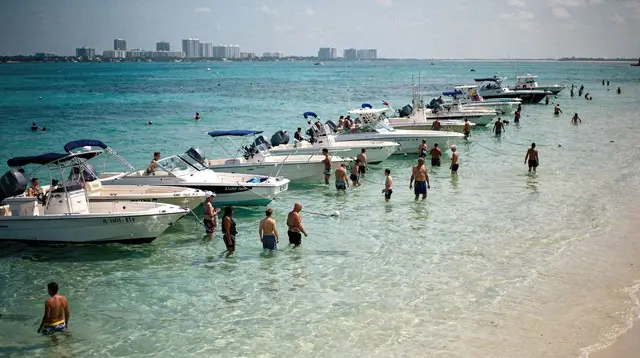
That doesn’t make Key Largo a miniature Key West. There’s no historic town center to wander, no Duval Street, no sunset crowd at a town square. The reason to come is almost entirely the water: John Pennekamp Coral Reef State Park, the first underwater park in the United States, protecting a stretch of the same reef system that runs the length of the Keys. Snorkeling trips, dive charters, and a glass-bottom boat all leave from here, and for most visitors coming from Miami, that’s the whole itinerary: drive down, spend three or four hours on or in the water, drive back.
What a Key Largo day trip actually looks like
A realistic half-day plan starts early. Boats to the reef typically depart mid-morning, so leaving Miami by 7:30 or 8 a.m. gives enough buffer for the drive plus parking and check-in before departure. A typical snorkeling trip runs 2.5 to 4 hours including transit to the reef site, meaning by early afternoon the trip is done and the drive back to Miami can start before the worst of afternoon traffic on US-1.
Building in a cushion matters more here than the distance suggests. US-1 through South Dade can back up around Homestead, and a single-lane stretch means there’s no alternate route once you’re on it. Treat the “about an hour” drive time as the best case, not the guarantee.
Timing the trip around the boat, not the other way around, avoids most of the stress. Booking a departure an hour or two after arriving in the area, rather than one that lines up exactly with the drive time, absorbs a slow morning without forcing a rebooking. The return leg deserves the same treatment: an afternoon departure back to Miami around 3 or 4 p.m. still leaves the option of an early dinner in the city, while a later one risks running into the evening commute on the same stretch of US-1.
| Plan | Time from Miami | What it covers |
|---|---|---|
| Half-day snorkeling trip | ~5–6 hours round trip | Drive + one guided reef trip, back by mid-afternoon |
| Full-day trip | ~7–9 hours round trip | Snorkeling or dive trip + lunch + some time at the park or on a second short outing |
| Overnight in Key Largo | Flexible | Sunset cruise, dinner, second morning on the water without the return drive |
For a visitor who wants to combine Key Largo with a longer look at the Keys, an overnight removes the time pressure entirely and opens up an evening cruise or dinner without a clock running on the drive home — see Key West vs Key Largo day trip for how the two compare as single-day options.
Booking ahead matters more on weekends than on weekdays. Miami residents making the same drive for their own day off compete for the same morning departures, so a Saturday snorkeling trip that still shows availability on a Tuesday can be sold out by Friday. Most operators run fixed-schedule group boats, which keep the price down and suit anyone happy to share the trip with other visitors; travelers who would rather set their own departure time, or who are moving as a larger family group, may prefer to look at the group tour versus private tour comparison before booking, since a private charter changes both the price and the flexibility of the day.
John Pennekamp Coral Reef State Park: the reason to come
The park’s reef sites — Molasses Reef among the best known — sit a few miles offshore and are reached by boat, not from the shoreline. Conditions vary with weather and season: winter months tend to bring calmer seas and clearer water, while summer afternoon storms can shorten a trip or push a departure time. Visibility is never guaranteed on any given day, and no honest operator will promise it.
A guided snorkeling trip out to the reef is the standard way in: life jackets, snorkeling gear, and basic instruction are included, and the shallow patch reefs typically used for these trips suit first-timers as well as more experienced snorkelers. For a trip that specifically targets one of the park’s best-known sites, a Molasses Reef snorkeling trip goes straight to it rather than a rotating stop.
Not everyone wants to get in the water. A glass-bottom boat is the standard non-snorkeling option here, showing the reef and its fish from a dry, air-conditioned deck — worth considering for anyone traveling with non-swimmers, older relatives, or simply no interest in getting wet. Divers with certification have another tier of options entirely, including a deep dive on the Spiegel Grove wreck, an artificial reef built from a decommissioned Navy ship — this is a dive-certified outing, not a day-trip add-on for casual visitors.
Matching the trip to the visitor, not the other way around
Not every Key Largo day trip should look the same, and the right choice depends more on who’s traveling than on which operator has the best reviews. Confident swimmers who want to spend real time in the water are usually best served by a standard reef snorkeling trip; anyone weighing snorkeling against a certified dive, or trying to work out how the various reef and wreck options actually differ, is better off starting with the dedicated Key Largo snorkeling and diving guide rather than picking blind.
Families traveling with young kids should build in more slack than the “5 to 6 hours round trip” estimate suggests — a toddler or young child on a boat for the first time may need a shorter trip, more breaks, and a later start than the plan above assumes; Miami with kids covers the broader logistics of traveling with children in South Florida that apply just as much to a Keys day trip as to anything closer to the city. Couples looking for a quieter version of the same day — a sunset cruise instead of a mid-morning snorkeling slot, for instance — may find more of what they want in Miami for couples and romantic trips, which covers pacing a day trip around two people rather than a group.
Beyond the reef: other ways to spend a few hours
Key Largo’s other outings are shorter add-ons rather than day-trip anchors in their own right. A boat eco-tour through the backcountry mangroves gives a different view of the area — birdlife and calmer water rather than reef — and runs a couple of hours, easy to fit before or after a reef trip if time allows. For visitors staying past sunset, or those doing the overnight version of this trip, a sunset cruise is a low-effort way to close the day on the water rather than in a parking lot waiting to start the drive back.
For a look at the coastline from above rather than on it, a short aerial tour is worth a mention for anyone who wants the reef’s colors and the shape of the Keys from altitude rather than at sea level; it’s a different kind of trip and not a substitute for time in the water. A fuller rundown of what’s bookable in the area, reef trips and otherwise, sits in Key Largo boat tours and cruises and the general things to do in Key Largo overview, both useful for filling in a second stop if the day allows more than one activity.
What this page is not for: Islamorada, Marathon, and Key West
It’s tempting to treat a day trip to “the Keys” as one stop that covers everything, but the geography doesn’t cooperate. Islamorada, known for sport fishing, sits roughly 20 to 30 minutes past Key Largo. Marathon — home to the Seven Mile Bridge and the Turtle Hospital — is another hour beyond that. Key West is a further 90 minutes to two hours past Marathon. Bolting any of these onto a Key Largo day trip means giving up the actual reason to come: time in the water, not time on US-1.
Each of these destinations has its own case for a dedicated visit, not a drive-by. Islamorada is built around its fishing culture and deserves its own trip if that’s the draw. Marathon has real sightseeing — the bridge, the rescued sea turtles — that rewards unhurried time. Key West, as covered elsewhere on this site, is a full-day undertaking on its own, sometimes better as an overnight given the total drive time involved.
How this compares to Miami’s other water day trips
Key Largo isn’t the only water-based day trip within reach of Miami, and it’s worth knowing what makes it different before assuming it’s interchangeable with the others. An Everglades day trip heads west into freshwater sawgrass and mangrove, not the ocean, and trades reef and snorkeling for airboats and wildlife viewing — a genuinely different kind of day, not a substitute. Biscayne National Park, by contrast, is much closer to the city and shares the same reef system as John Pennekamp, but with far less built-out tourist infrastructure around it, which cuts both ways depending on whether a visitor wants amenities or quiet.
A Bahamas day trip is the outlier of the group: it’s an international trip requiring a passport (and ESTA for eligible nationalities), covers open ocean rather than a fringing reef, and runs on a fixed ferry or cruise schedule that leaves far less room for a spontaneous change of plan than a Key Largo boat does.
Getting there and getting around
The only practical way to reach Key Largo from Miami is by car, on US-1 south through Homestead. There’s no train or ferry connection; ride-share works but gets expensive over a round trip of this distance, and most snorkeling operators are set up for guests arriving by car with their own parking. Renting a car in Miami covers the toll and parking basics that apply on this route as much as anywhere else in South Florida.
Traffic on US-1 through South Dade can be unpredictable, particularly on weekend mornings when Miami residents are making the same drive for their own weekend in the Keys. Weekday trips tend to be smoother in both directions. Whichever day you go, build slack into the schedule rather than booking a boat departure with no margin for a slow drive down.
Practical notes
Prices for reef trips vary by operator, boat size, and season — check the current rate on the GetYourGuide or Viator listing before booking rather than assuming last year’s price. As with anywhere in Miami-Dade County, quoted tour prices are typically before the local sales tax, and gratuities for boat crews are customary, generally in the same range as restaurant tipping. Reef conditions, sun exposure, and the possibility of seasickness on a boat are worth planning for regardless of season: reef-safe sunscreen, a hat, and water are the basics, and anyone prone to motion sickness should plan accordingly before, not during, the boat ride.
During hurricane season, roughly June through November with a peak from August to October, boat trips can be cancelled or rescheduled on short notice due to weather. This isn’t unique to Key Largo, but a single-lane highway and boat-dependent activities make flexibility more useful here than in a city with more indoor alternatives.
Packing for a Key Largo day trip is really packing for a few hours on a boat plus a long car ride: swimwear under regular clothes saves a change at a crowded marina bathroom, and a dry bag or waterproof phone pouch is worth having for the boat ride out. The general what to pack for Miami guide covers the year-round basics — sun protection, lightweight layers, rain gear in summer — that apply just as much on the water as they do back in the city.
Trip planning guides for Miami and the Keys
Verified deep-linked GetYourGuide tours. Book through these links and we earn a small commission at no cost to you.
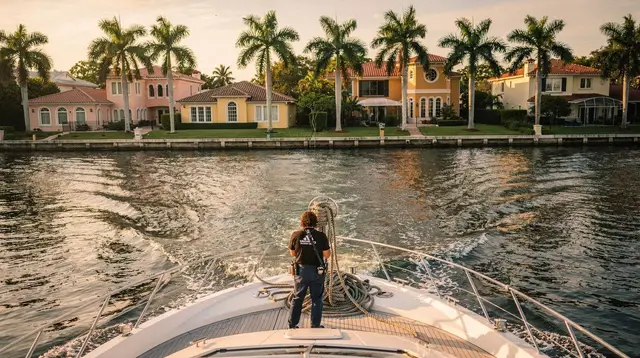
GetYourGuide does not provide a product photo for this activity — the image shows the meeting point, photographed by us.