Biscayne National Park: the guide to Miami's underwater park
Can you drive into Biscayne National Park?
No. About 95% of Biscayne National Park is open bay, coral reef and barrier islands, so there is no road network inside it. The only landward access is the Dante Fascell Visitor Center near Homestead; everything past the shoreline is reached by boat, snorkel or kayak.
The one thing to get straight before you go
Biscayne National Park is not a drive-in park, and it is easy to assume otherwise after reading about Everglades National Park or the state park at Key Largo, both of which have entrance roads and parking lots. Biscayne is different in a fundamental way: roughly 95% of it is open water. The park covers a stretch of Biscayne Bay, a fringe of mangrove shoreline, a chain of low barrier islands (the northernmost Florida Keys, geologically), and a section of coral reef, and almost none of that is land you can park a car on. There is no scenic drive through Biscayne National Park, because there is barely any dry land to drive across.
That single fact reshapes how you plan a visit. You do not “go to” Biscayne the way you go to a state park with a gate and a trail map. You go to its one landward foothold, and from there you go by water.
Where the park actually starts: the Dante Fascell Visitor Center
The real entry point is the Dante Fascell Visitor Center, on the mainland shore of Biscayne Bay near Homestead, roughly 40 minutes south of Downtown Miami by car. This is where you find park rangers, exhibits, restrooms, a small boat ramp, and the dock used by concession boat tours. It is worth treating as an orientation stop rather than the destination itself: you can look out at the bay from here, but the park’s coral reefs, the barrier islands, and most of the wildlife-rich water are miles offshore.
If you booked a guided tour, the visitor center or a nearby marina is usually the meeting point. If you brought your own boat or kayak, this is where you launch. Either way, plan the drive to Homestead as the first leg of the day, not the whole day.
For context on the wider Homestead area beyond the park gate, see the Homestead and Redland day trip guide, which covers the agricultural region between Miami and the park entrance.
No entrance fee — and why that is worth stating clearly
Unlike its neighbor to the west, Biscayne National Park charges no entrance fee. Everglades National Park, by contrast, charges a standard vehicle entrance fee plus a $100-per-person surcharge for non-resident visitors aged 16 and over (nps.gov/ever — worth confirming before you travel, since park fee schedules are updated periodically). Biscayne has nothing equivalent. A day of exploring the bay, the reef, or the shoreline by kayak costs nothing in park fees.
That does not mean the day is free. If you extend your visit with an overnight stay on one of the park’s islands, mooring and camping fees apply:
| Activity | Fee at Biscayne | Fee at Everglades |
|---|---|---|
| Day entry | None | Standard vehicle fee + non-resident surcharge (16+) |
| Overnight mooring, Boca Chita Key | Nightly fee | Not applicable |
| Camping, Boca Chita or Elliott Key | Nightly camping fee | Backcountry permit fee |
| Guided boat or snorkeling tour | Tour operator’s own price | Airboat tours typically outside the park itself |
Boca Chita Key is the most-visited of the outer islands, known for its ornamental lighthouse and small harbor; Elliott Key is larger, with hiking trails and a campground reached only by boat. Both charge for overnight mooring or camping, collected on-site or through the National Park Service’s own booking channels — check current rates directly with the park before committing to an overnight plan, since camping fees are handled separately from any boat tour you book.
What there actually is to do
Because there is so little dry land, activities at Biscayne cluster into three categories: being on a boat, being in the water, or paddling across it.
Boat tours. A guided boat trip is the most straightforward way to see the bay, the mangrove shoreline, and often a stop at Boca Chita Key, without arranging your own vessel or navigation. Wildlife sightings along the bay — ospreys, herons, the occasional dolphin — are common but not guaranteed, since this is a working ecosystem, not an enclosure.
a captained wildlife-watching boat trip through the bay’s mangrove islands gives a sense of what a Biscayne-style outing looks like: slow water, low islands, and birdlife rather than a beach.
Snorkeling. Biscayne’s northern reef tract sits within the park, and clear days bring good visibility over coral and fish. This is a boat-access activity; there is no shore snorkeling spot inside the park itself. For a comparison of nearby reef access with actual shore facilities, see the John Pennekamp Coral Reef State Park guide, which sits about an hour south in Key Largo and is built for exactly that kind of day-use visit.
Kayaking. Paddling the bay’s edge and mangrove channels is possible for visitors comfortable with open water and basic navigation, either with your own gear or through an outfitter. For a lower-effort paddling introduction closer to central Miami, a guided eco-tour paddle through Oleta River’s mangrove channels is a gentler warm-up before tackling open bay water. The general Miami kayak and paddleboard guide covers other put-in points around the city.
Combined city-and-water outings. Visitors short on time sometimes prefer to pair a Miami sightseeing stop with a short boat segment rather than committing a full day to the park; a guided city tour that includes a boat ride is one way to get a taste of being on the water without a dedicated Biscayne day.
What to bring for a day on the water
Because so much of a Biscayne visit happens on a boat, a kayak, or in the water itself, packing for it is different from packing for a typical land-based park stop. Reef-safe sunscreen matters more here than almost anywhere else in the Miami area, since the park protects living coral; regular sunscreen containing oxybenzone or octinoxate is best left at the hotel. Bring more drinking water than feels necessary — there is no store past the visitor center — along with a hat, sunglasses with a strap, and a dry bag or waterproof phone pouch if you are kayaking or snorkeling from a smaller boat.
Footwear is worth thinking through as well: water shoes or sandals that can get wet and gripped on a wet deck work better than anything you would wear on a paved trail. Because the sun exposure is constant and there is very little shade once you are past the visitor center’s dock, an early or mid-morning departure is generally more comfortable than an afternoon one, and it usually means calmer water for snorkeling too. Motion sickness medication is worth packing for anyone prone to it, since open-bay boat trips can have more roll than a sheltered marina departure.
Combining Biscayne with the Florida Keys
Because the drive south from Homestead continues on toward the Keys, some visitors fold a Biscayne stop into a longer trip rather than treating it as a standalone day from Miami. Key Largo, the northernmost of the Keys, sits roughly an hour beyond the park’s own access point and is covered in the Key Largo day trip guide; its snorkeling scene at John Pennekamp is a useful point of comparison already noted above. Visitors continuing further down the Florida Keys toward Islamorada, Marathon, or Key West should see the Overseas Highway driving guide for how that longer drive breaks down, since Biscayne and the Keys are separate stops on the same general route south rather than a single combined excursion.
Visitors who prefer not to drive the full stretch in one day sometimes base themselves in Homestead or South Miami for a night, using it as a midpoint between the park and the Keys; the general where to stay in Miami guide covers neighbourhood options for those structuring a trip this way, though most visitors doing Biscayne as a single day keep their hotel in Miami or Miami Beach and simply budget the extra drive time both ways.
How Biscayne differs from its two most-confused neighbors
Two other South Florida attractions get mixed up with Biscayne often enough that a direct comparison is useful.
Versus John Pennekamp Coral Reef State Park. Pennekamp is a Florida state park in Key Largo, built for day visitors: a beach, a swim area, a marina with rental boats, glass-bottom boat trips, and a visitor center with an aquarium. Biscayne is a federal national park on the mainland side of the bay with almost none of that shoreside infrastructure — no beach to lay a towel on, no rental counter at the door. Pennekamp is the easier half-day outing for a family wanting a beach and a boat trip in one stop; Biscayne rewards visitors specifically looking for the bay-and-reef landscape on its own terms, usually through a booked tour.
Versus a dedicated dolphin or manatee tour. Both species use Biscayne Bay, and a boat trip through the park can produce a sighting of either. But the park is not organized around wildlife the way a dedicated tour is — see the dolphin and manatee watching guide for trips built specifically around finding those animals. A Biscayne outing’s subject is the park itself: the bay, the reef, the islands. A sighting there is incidental, not the plan.
Biscayne versus the Everglades: two different waters
Visitors doing both parks in one trip sometimes expect similar landscapes because both carry “Everglades-adjacent” reputations. They are not similar. The Everglades are a freshwater “river of grass,” moving slowly south through sawgrass marsh and cypress, with entrances spread across Shark Valley, the Ernest F. Coe/Homestead entrance, Flamingo, and the Gulf Coast side near Everglades City. Biscayne is saltwater: open bay, coral reef, and a chain of mangrove-fringed islands, entered only from the one visitor center near Homestead.
If your trip includes both, treat them as two distinct half-days or full days rather than a single “Everglades area” outing. The Everglades day trip guide and the airboat versus Shark Valley tram comparison cover the freshwater side in detail; note that airboats operate on private land bordering the Everglades and are not a Biscayne activity at all, since airboats are not used on Biscayne’s open bay and reef.
| Park | Water type | Main access | Entrance fee | Signature activity |
|---|---|---|---|---|
| Biscayne National Park | Saltwater bay, reef, barrier islands | Boat, snorkel, kayak from Dante Fascell Visitor Center | None | Boat tour, snorkeling, island stop |
| Everglades National Park | Freshwater “river of grass” | Shark Valley, Homestead/Flamingo, Gulf Coast entrances | Vehicle fee + non-resident surcharge (16+) | Tram, walking trail, private airboat tours nearby |
| John Pennekamp Coral Reef State Park (Key Largo) | Saltwater reef, state park beach | Direct road access, marina on-site | State park entrance fee | Snorkeling, glass-bottom boat, beach day |
Getting there and timing the day
The drive from central Miami to the Dante Fascell Visitor Center takes roughly 40 to 45 minutes without traffic, longer on weekends when Homestead-bound and Keys-bound traffic overlaps on US-1. There’s no public transit route built for this specific trip, so a car or a booked tour with pickup is the practical choice. If you’re combining a Biscayne outing with other water-based activities in Miami on the same visit, the Miami boat tours and yacht charters guide and the bay cruises from Bayside guide round out the picture of what departs from the city itself, closer to Downtown and Brickell, as opposed to the park’s own Homestead access point.
Morning departures generally mean calmer water and better visibility for snorkeling, since South Florida’s afternoon thunderstorms are common in the wetter months (roughly May through October). Checking a short-range forecast before a boat or kayak day is worth the two minutes it takes, particularly during Atlantic hurricane season (June 1 to November 30), when conditions offshore can change faster than they do on land. The Miami hurricane season guide explains what that season actually means for a trip in practical terms, and the best time to visit Miami guide lays out the broader trade-off between the drier, busier winter months and the wetter, quieter summer ones.
Parking at the Dante Fascell Visitor Center itself is free and generally straightforward outside of holiday weekends, so a rental car is a practical way to reach the park independently; see the renting a car in Miami guide for what to expect on tolls and parking elsewhere in the region. Visitors without a car, or who would rather not drive to Homestead and back on the same day, are generally better served by a tour that includes pickup from a Miami hotel, since there is no public transit route built for reaching the visitor center directly.
Wildlife: what’s realistic to expect
Biscayne Bay and its shoreline support ospreys, herons, egrets, and other wading and diving birds year-round, along with the occasional dolphin passing through the bay’s channels. Manatees are present in South Florida’s waterways generally but are not a guaranteed Biscayne sighting; nearby spots covered in the manatee-watching guide are built more specifically around that. On the reptile side, South Florida is notable as the only place on Earth where the American alligator and the American crocodile share the same range (nps.gov); Biscayne’s saltwater and brackish edges are more crocodile territory than the freshwater Everglades’ alligator-dominated marsh, though sightings of either from a Biscayne boat trip are occasional, not routine. The guide to spotting alligators near Miami covers the freshwater side of that distinction in more depth.
A simple way to plan the visit
For a first visit, a half-day guided boat tour or snorkeling trip from near the visitor center covers the essentials without requiring your own vessel or navigation experience. Visitors with more time can add a stop at Boca Chita Key, or extend into an overnight camping or mooring trip booked directly through the park. Those building a longer South Florida itinerary that includes both this park and the Everglades can check the five-day Miami and Everglades itinerary for a sense of how the two fit together over several days without feeling repetitive.
Whatever the plan, the starting assumption should be the right one: there’s no road into Biscayne National Park. Everything past the visitor center’s dock happens on the water.
Dolphin, manatee and wildlife tours on GetYourGuide
Verified deep-linked GetYourGuide tours. Book through these links and we earn a small commission at no cost to you.
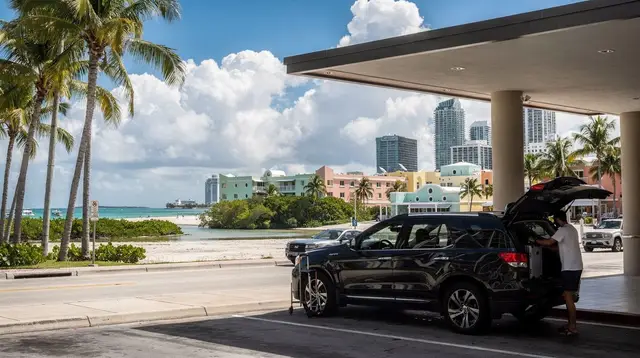
GetYourGuide does not provide a product photo for this activity — the image shows the meeting point, photographed by us.