Kayak and paddleboard tours in Fort Lauderdale
Is kayaking or paddleboarding in Fort Lauderdale worth it?
Yes if you want to move rather than just look: paddling the canals gets you closer to the water than a boat tour, for roughly $40-$90 per person for a guided trip of about two to three hours. It is physical, not a sightseeing cruise, so skip it if you want to sit and eat rather than paddle.
What paddling the Fort Lauderdale canals actually involves
Fort Lauderdale is often introduced through its water taxis and canal cruises, and fairly so: the city has more navigable waterway per square mile than most American cities its size, and a seated boat tour is a comfortable way to see it. This page is about the opposite experience — getting into a kayak or onto a paddleboard and moving yourself through those same canals, past private docks, mangrove-lined banks and the odd manatee, under your own effort rather than someone else’s engine.
That distinction matters because Fort Lauderdale already has a page built around eating and drinking on the water: see food and drink tours in Fort Lauderdale for boat-based tastings, brunch cruises and sunset drink cruises. Those are seated, social and built around a menu. This page assumes you want to paddle, not sit — expect your shoulders and core to work, expect to get a little wet, and do not expect a tasting course halfway through. If a gentle, seated outing with food is what you actually want, that other guide is the better match.
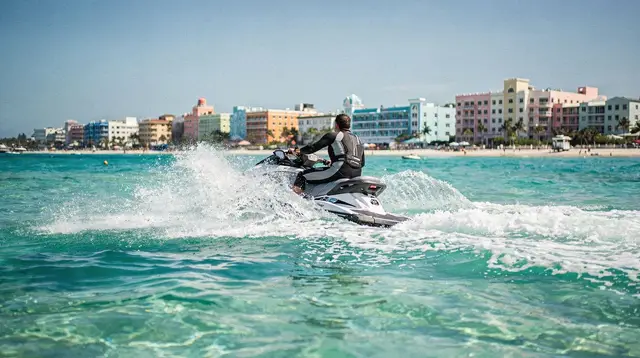
It is also worth separating this from Fort Lauderdale’s other water activities. A boat tour or canal cruise is piloted for you. A jet ski trip is motorised and fast. Kayaking and paddleboarding sit at the slow, human-powered end of the spectrum: quieter, more physical, and closer to the water surface than any of the above.
How this differs from kayaking elsewhere in South Florida
Fort Lauderdale’s canals are not the only place to paddle in this part of Florida, and the three settings are genuinely different trips, not variations on the same theme.
| Location | Setting | What it feels like |
|---|---|---|
| Fort Lauderdale canals | Urban waterway network, private docks and bridges | Calm, sheltered, scenic in a residential way; some boat traffic to share space with |
| Everglades | Mangrove tunnels and sawgrass inside a national park | Wildlife-focused, narrower channels, part of a protected “river of grass” |
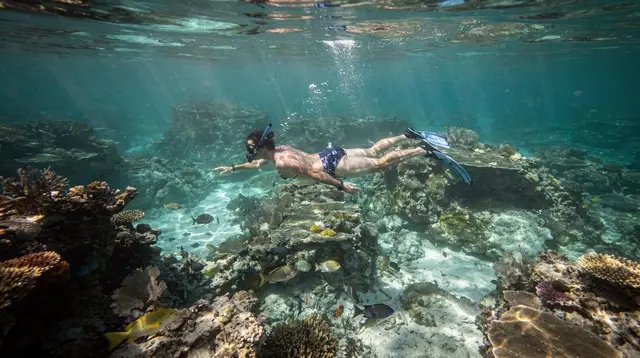
| Florida Keys / Biscayne Bay | Open water, coral reef nearby | More exposed to wind and current, closer to snorkelling territory than a canal paddle |
If wildlife and a national park setting are the draw, the Everglades trip described in everglades airboat tours or a dedicated Everglades kayak outing is a closer match. If open water and reef are the goal, look toward Key Largo snorkelling and diving or paddling around Key West instead. Fort Lauderdale’s version is calmer and more residential — closer to a quiet urban waterway than a nature reserve, which is exactly its appeal for a shorter, lower-commitment outing.
Kayak or paddleboard: which to pick
Both are available on nearly every Fort Lauderdale outing, guided or self-rented, and the choice comes down to balance, fitness and how wet you are willing to get.
- Kayak: seated, more stable, easier for a first attempt, less upper-body strain over a two-hour session. Better for anyone unsure about balance or traveling with a mixed-ability group.
- Stand-up paddleboard (SUP): standing, engages the core and legs, takes longer to feel confident on, and involves more falls into the water while learning. Better for travelers already comfortable with balance sports or wanting a workout rather than a cruise.
Neither requires prior experience for a guided outing on the canals — the water is flat and free of surf — but expect the paddleboard learning curve to take the first twenty to thirty minutes, versus a few minutes for a kayak.
Effort and duration, honestly
There is no single official duration for “a Fort Lauderdale kayak tour” — operators set their own routes — so treat the following as a realistic range rather than a fixed number.
| Format | Typical duration | Effort level |
|---|---|---|
| Guided kayak tour | About 2 hours | Light to moderate; steady paddling with rest stops |
| Guided paddleboard tour | About 2 to 2.5 hours | Moderate; balance plus paddling, more tiring for beginners |
| Independent hourly rental | Billed per hour, most take 1.5+ hours to feel worthwhile | Depends entirely on how far and hard you paddle |
Expect warm, humid conditions for most of the year and sun with little shade on the water, so pace yourself, hydrate and reapply sunscreen rather than treating it as a race. A guided route with stops is a gentler introduction than renting equipment and setting your own distance on a first attempt.
Booking a kayak or paddleboard tour
a guided mangrove kayak and paddleboard eco tour out of Fort Lauderdale is the most complete option for a first-timer: equipment, a guide and a route through quieter mangrove-lined stretches are included, and the pace is set for beginners. For a smaller, guide-led paddle focused on the mangrove channels rather than open canal, a guided mangrove kayak tour covers similar ground with a tighter group size.
Travelers who want to set their own pace and route, without a scheduled tour time, can look at an hourly kayak rental in nearby Pompano Beach — useful if a fixed departure time does not suit the rest of the day’s plan. And for anyone combining a paddling stop with a wider look at the area, a day trip covering Fort Lauderdale and Boca Raton pairs the canals with the broader Gold Coast, at the cost of less time on the water itself.
Prices for guided kayak and paddleboard outings in Fort Lauderdale typically sit somewhere in the $40 to $90 per-person range, and independent hourly rentals are usually cheaper per hour but add up over a longer session — check the partner listing for the day’s confirmed price and cancellation terms rather than relying on a fixed number here.
Getting to the launch point
Fort Lauderdale sits roughly 30 miles (about 48 km) north of Miami, close enough for a day trip but far enough that it needs its own transport plan rather than an add-on to a Miami itinerary. Most kayak and paddleboard launch points are along the New River or one of the Intracoastal canals, not directly on the beach, so a car, rideshare or the operator’s own pickup service gets you there. See getting from Miami airport to Fort Lauderdale and Fort Lauderdale airport and Port Everglades transfers for the transport options in more detail.
Once you are actually on the water, the car becomes irrelevant until the tour ends — there is no driving partway through a paddling route, so plan parking near the launch and expect to walk from the car to the water carrying only what fits in a dry bag.
What to bring and what to skip
- Swimwear or quick-dry clothing, since getting splashed or briefly falling in (mostly on paddleboards) is normal.
- Reef-safe sunscreen, a hat and sunglasses with a strap — there is little to no shade on the canals.
- Water in a reusable bottle; most tours do not include drinks the way a food-focused boat cruise would.
- Shoes that can get wet, or none at all for a short paddle; leave good sneakers in the car.
- A dry bag or waterproof phone case if photos matter; leaving valuables in the car is the simpler option.
- Skip anything you are not prepared to get wet, including regular sunglasses without a strap and any electronics without protection.
When to go
Fort Lauderdale’s canals are paddleable year-round, but the two broad seasons feel different on the water. The drier season, roughly November through April, brings sunnier days and lighter humidity, and it is also the region’s high season for tourism generally, so book ahead. The wetter season, roughly May through October, brings short, intense afternoon thunderstorms that can cancel or reroute an outing with little warning — mornings tend to be calmer than afternoons in this stretch of the year.
South Florida’s Atlantic hurricane season runs June 1 to November 30, with the higher-risk stretch from August through October. That does not mean a trip in those months is a bad idea, only that outdoor water activities are the first thing to get rescheduled around a storm, so flexible dates and travel insurance are worth having rather than assuming the worst or dismissing it entirely.
Honest notes before you book
A kayak or paddleboard outing on Fort Lauderdale’s canals is a physical, hands-on way to see a side of the city most visitors only glimpse from a boat tour or a restaurant window. It rewards travelers who want to move rather than sit, and it disappoints anyone expecting a leisurely cruise with food included — that is a different page and a different booking. Treat the duration and price ranges here as a starting point, not a guarantee, and check the operator’s listing for the confirmed schedule, group size and refund policy before paying. If the weather looks unsettled, especially between June and November, ask about the cancellation and rescheduling policy before you commit.
Fort Lauderdale kayak and paddleboard: frequently asked questions
Do I need experience to kayak or paddleboard in Fort Lauderdale?
No. The canals are flat, sheltered and free of surf, so most guided tours accept complete beginners and spend the first ten minutes on strokes and balance. Stand-up paddleboarding takes longer to feel stable than kayaking, so first-timers who want less wobble usually start in a kayak.
How long does a kayak or paddleboard tour take?
Guided outings typically run about two to three hours, including a safety briefing and a slow pace with stops. Independent rentals are usually billed by the hour, so plan for at least ninety minutes to make a rental worth the drive.
Is this the same as a Fort Lauderdale boat tour or gondola cruise?
No. Boat tours and canal cruises put you on a seated vessel someone else pilots; here you paddle your own kayak or board. Expect physical effort and some splashing, not a narrated ride with drinks.
Can I combine kayaking with food or drink in Fort Lauderdale?
Not on the same booking. Paddling trips are built around movement, not tastings, so a separate food and drink tour of Fort Lauderdale is the better fit if eating and drinking is the point of the outing.
Do I need a car to reach the launch point?
Most launch points sit along the New River or the Intracoastal canals, away from South Beach or Downtown Miami, so a car, rideshare or the operator’s pickup gets you there. Once you are on the water, the car stays parked; there is nowhere to drive a kayak.
Is Fort Lauderdale kayaking the same kind of trip as the Everglades or the Keys?
No. The Everglades pair kayaking with mangrove tunnels and wildlife inside a national park, and the Keys and Biscayne National Park mean open water and coral reef. Fort Lauderdale’s canals are an urban, sheltered network between houses and boat traffic, not a natural reserve.
What should I bring on a kayak or paddleboard tour?
Swimwear or quick-dry clothes, reef-safe sunscreen, a hat, water and shoes that can get wet. Most operators provide the kayak or board, paddle and a life jacket; a dry bag for a phone is worth carrying yourself.
Is it safe to paddle near Fort Lauderdale’s boat traffic?
Guided tours route around the busiest channels and brief paddlers on staying clear of motorboats and yachts, but the canals are shared with real boat traffic, including at Port Everglades approaches. Independent renters should stick to marked canals, avoid main shipping channels and wear the life jacket provided.
More on the area: things to do in Fort Lauderdale, Fort Lauderdale helicopter flights, Hollywood, Florida, Palm Beach, the wider Fort Lauderdale and Palm Beach region, the Fort Lauderdale things-to-do hub and the kayak and paddleboard category across South Florida.
Kayak and paddleboard tours around Miami's mangroves
Verified deep-linked GetYourGuide tours. Book through these links and we earn a small commission at no cost to you.
GetYourGuide does not provide a product photo for this activity — the image shows the meeting point, photographed by us.