Free things to do in Miami
What can you do in Miami for free?
South Beach's public beach, the Metromover in Downtown and Brickell, free trolleys in Miami and Miami Beach, walking Wynwood's outdoor murals, Domino Park and Calle Ocho in Little Havana, and the shaded streets of Coconut Grove and Coral Gables all cost nothing to enter. A few nearby attractions, like Wynwood Walls itself, charge admission even though the surrounding street art doesn't.
What costs zero dollars in Miami
Miami has a reputation for being expensive, and a lot of it is: hotel resort fees, valet parking, bottle service. But a real share of what makes the city worth visiting doesn’t charge admission at all. This page sticks to that: activities with no entry fee, no ticket, no reservation required. It skips cheap-but-not-free meals (those are on cheap eats in Miami) and it skips excursion comparisons like Everglades airboats versus Shark Valley trams, since those are paid experiences by definition. What’s here is the short list of things that cost nothing to walk into.
One clarification before the list: Miami Beach is not a neighbourhood of Miami. It’s a separate city, sitting on a barrier island across Biscayne Bay, reached from the mainland by causeways like the MacArthur, Venetian, and Julia Tuttle. So when this guide sends you to South Beach, you’re leaving Miami and crossing into Miami Beach, not walking to another part of the same city.
South Beach’s public beach
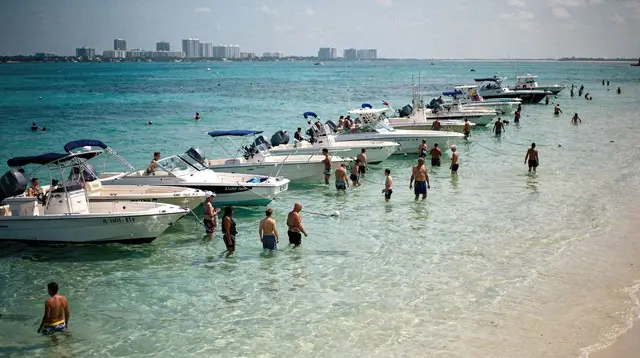
The beach itself, the sand and the water along Ocean Drive and through Lummus Park, is public and free. No entry gate, no ticket. You can walk it end to end, swim, and watch the sunrise (South Beach faces east, so sunrise over the water is the view here, not sunset) without spending anything.
What isn’t free: chair and umbrella rentals set up by concessions along the sand, and pool or cabana access at the beach clubs that line Collins Avenue and Ocean Drive. Bring your own towel and you can skip both. Parking near the beach is metered and not cheap, so if you’re driving over from Miami, budget for that even though the beach itself costs nothing.
While you’re in the area, the Art Deco Historic District is free to walk. Hundreds of pastel buildings from the 1920s through 1940s, listed on the National Register of Historic Places, line Ocean Drive and the surrounding blocks. Paid architecture walking tours exist and add narration, but simply strolling the district costs nothing. For the self-guided version, see south beach art deco tours for a sense of what a paid walk adds versus what you can read on plaques and signage on your own.
Getting around Downtown and Brickell for free: the Metromover
The Metromover is a genuinely free elevated people-mover, no fare gates, no tickets, that loops through Downtown, Brickell, and the Omni area across 21 stations. It’s a practical way to see Miami’s skyline and waterfront from above without paying for a bus, rideshare, or parking. Ride it end to end for a moving overview of Downtown and Brickell, or hop off at Bayfront Park, near Bayside Marketplace, or close to the Perez Art Museum Miami and Frost Museum of Science (those two museums do charge admission, so budget separately if you want to go inside).
The Metromover connects to the Metrorail, which is not free, so don’t assume the whole system is a free ride if your trip extends beyond Downtown, Brickell, and Omni. For the full breakdown of what’s free and what isn’t across Miami’s transit options, see getting around Miami: Metromover, Metrorail, and trolleys.
Bayfront Park and free views of the Downtown skyline
Bayfront Park sits right on Biscayne Bay in Downtown Miami, and walking through it costs nothing. It’s one of the easiest places in the city to get a skyline view without paying for a boat tour or a rooftop bar: the bay curves in front of you, Downtown’s towers rise behind, and Bayside Marketplace sits close enough to walk to if you want a coffee, though browsing there is optional, not required. The park connects directly to the Metromover’s Bayfront Park stop, so it folds into the same free loop through Downtown and Brickell without adding a separate trip.
If you want the same kind of skyline view from the water instead of the shore, that’s a paid experience, not a free one; see Biscayne Bay cruises from Bayside for what that adds over standing on the seawall. And if Bayfront Park is just one stop on a broader hunt for the best vantage points in the city, Miami skyline viewpoints rounds up the others, free and paid alike.
Free trolleys in Miami and Miami Beach
Separate from the Metromover, both Miami and Miami Beach run their own free trolley networks on fixed routes. In Miami, trolleys cover corridors like Coral Way and Coconut Grove; in Miami Beach, routes run along Collins Avenue and connect South Beach to Mid-Beach and North Beach. They’re a genuinely useful way to avoid parking costs and rideshare fares for short hops within either city, though schedules and frequency vary by route, so check current timetables if you’re timing a specific connection rather than just wandering.
Wynwood: free murals, paid mural park
Wynwood is Miami’s open-air street art neighbourhood, and most of it costs nothing to see. Walking the blocks around NW 2nd Avenue, where building facades, garage doors, and alley walls are covered in large-scale murals, is free. This is the part of Wynwood that gets photographed constantly, and you don’t need a ticket for any of it.
The exception, and it’s an important one to get right: Wynwood Walls, the fenced, curated main mural park with the highest concentration of large installations, charges admission. It’s a specific gated space within Wynwood, not the neighbourhood as a whole. If you skip Wynwood Walls, you still see a meaningful amount of the street art Wynwood is known for on the surrounding public streets, just not the densest, most photogenic cluster. For the story of how the district developed, see how Wynwood became an open-air museum, and for a sense of what a guided version adds, wynwood street art tours.
Beyond the murals, Wynwood and the adjacent Design District have a walkable concentration of galleries and design showrooms. Browsing is free; buying isn’t, and the Design District skews toward luxury retail where window-shopping is really the free activity on offer.
Little Havana: Domino Park and Calle Ocho
Calle Ocho (SW 8th Street) is Little Havana’s main strip, and walking it, past cafes, cigar shops, and murals referencing Cuban exile history, costs nothing. The best-known free stop is Domino Park, officially Maximo Gomez Park, where locals, mostly older Cuban men, play dominoes at outdoor tables under a shaded pavilion. Watching is free and generally welcomed as long as you’re respectful about photographing people who are just spending their afternoon there.
Little Havana’s food and coffee culture is where costs creep in, but they’re low, not zero: a cafecito from a walk-up window is a few dollars, not free. That’s covered in more detail in cheap eats in Miami rather than here. If you want the ritual explained properly, how to order a cuban coffee in Little Havana walks through what to ask for. Paid add-ons in the neighbourhood, like a cigar-rolling demonstration, exist if you want to go deeper:
a guided visit to a working cigar factory in Little HavanaThat’s optional context, not part of the free list, since it includes a factory visit and demonstration with an admission cost.
Coconut Grove and Coral Gables: free to walk, not free to enter
Coconut Grove and Coral Gables are two of Miami’s most walkable, tree-shaded neighbourhoods, and simply strolling either one costs nothing. Coconut Grove’s streets near CocoWalk and the marina are lined with banyan trees and older Florida architecture; Coral Gables, built with a Mediterranean Revival theme in the 1920s, has similarly shaded, pedestrian-friendly blocks around the Miracle Mile shopping strip.
What’s free: the walk itself, the architecture, window-shopping. What isn’t: most of the area’s named attractions. Vizcaya Museum and Gardens charges admission for both the house and gardens. The Biltmore Hotel, a historic and still-operating hotel, is free to view from the outside and its public lobby areas are generally open to browse, but its pool and grounds are reserved for guests. The Venetian Pool, a coral-rock public pool in Coral Gables, also charges an entry fee, so it belongs on a different kind of list than this one. For the paid highlights of the area if you want to budget for one or two, see Vizcaya Museum and Gardens guide.
What this list deliberately leaves out
A few things worth naming so expectations are set correctly:
- Meals under $10. Cheap isn’t free. Cuban coffee, food trucks, and Little Havana lunch counters are inexpensive but not part of this list; see cheap eats in Miami.
- Excursion comparisons. Whether an Everglades airboat is worth it versus a Shark Valley tram, or how a Key West day trip compares to Fort Lauderdale, is a different question than “is it free,” since both are paid experiences. Those comparisons live on their own pages, not here.
- Museums and paid attractions in general, even when they’re excellent. The Perez Art Museum Miami, the Frost Museum of Science, Vizcaya, and Biscayne National Park’s boat tours all charge for some or all of the experience. Free things to do in Miami and paid museums worth the money are two separate questions; see Miami’s museums for the second one.
When a free day still involves a tip
Free doesn’t always mean tip-free. If you take a self-guided beach day, ride the Metromover, or walk Wynwood on your own, there’s no service being rendered and no tip expected. But the moment a person actually helps you, a valet who parks your car near the beach, a guide on a paid add-on, a bartender if you stop for a drink along the way, standard tipping applies: 18 to 20 percent is the norm at restaurants and bars, and a few dollars is appropriate for smaller services. Free activities don’t erase Miami’s tipping culture; they just mean there’s no one to tip on the activity itself.
Building a free day around a neighbourhood
A practical way to string these together without backtracking: spend a morning on South Beach’s sand, then either walk the Art Deco Historic District at a slower pace before the afternoon heat, or take the Miami Beach trolley north toward Mid-Beach if you want quieter sand with fewer crowds. On a separate day, cross back to the mainland and treat Downtown, Brickell, and Wynwood as a loop: ride the Metromover through Downtown and Brickell in the morning when it’s cooler, then head to Wynwood by trolley or rideshare in the late morning to walk the murals before midday heat sets in. Little Havana and Coconut Grove or Coral Gables pair well as a third day, since Calle Ocho and Domino Park are a manageable walk from where the Miami trolley routes run, and both areas reward slower, shaded walking over a packed schedule.
None of this requires a car, and none of it requires paying an entry fee, though a rideshare between neighbourhoods that aren’t on the same trolley or Metromover route is a realistic cost to budget for. If you’d rather see several of these areas in one narrated pass instead of stitching them together yourself, a guided overview covers the same ground with a driver and commentary included:
a narrated city tour covering Miami’s main neighbourhoodsThat’s a paid alternative, not a substitute for the free version, useful mainly if time is tighter than budget on a given trip.
Free sunset spots beyond South Beach
South Beach faces east, so the free sunrise-over-the-water view mentioned earlier isn’t a sunset view. For a free sunset, most locals head to spots that face west across Biscayne Bay instead, where the sun drops behind the Downtown skyline rather than into the ocean. Vizcaya’s seawall and stretches of Coconut Grove near the bay are common free options, though they don’t have the guaranteed unobstructed sightline a paid rooftop or boat has. A fuller rundown of where locals actually go, free and paid, is at best sunset spots in Miami.
If a ground-level free sunset isn’t dramatic enough and you’d rather see it from above the bay instead, that’s a paid step up:
a sunset flight over Miami with champagne includedThat’s firmly outside the free list, but it answers the question people sometimes ask after a free sunset walk: is there a way to see this from higher up. There is, it just isn’t free.
A free day doesn’t mean a slow one
None of the activities on this list are consolation prizes. South Beach’s public sand is the same beach the paid clubs sit on; Domino Park is a more honest slice of Little Havana than most paid tours manage; and the Metromover’s elevated views of Biscayne Bay and the Downtown skyline rival what some paid boat tours charge for. The distinction that matters is knowing in advance which specific piece of an experience is free and which is gated, so a plan built around “free things to do in Miami” doesn’t quietly turn into an expensive one because Wynwood Walls, Vizcaya, or a beach club chair rental got folded in without noticing.
If a free day leaves you wanting something with a bit more built-in spectacle, a few paid options sit at the other end of the spectrum entirely, sunset flights and yacht rentals rather than street murals and public parks:
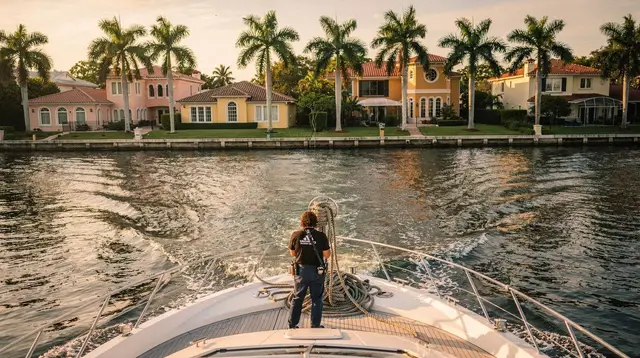
a private yacht rental on Biscayne BayPrices for that kind of experience vary by boat size, duration, and season, so check the current rate on the booking page rather than assuming a fixed figure; the same applies to any paid activity mentioned alongside this free list.
Budget-friendly things to do in Miami
Verified deep-linked GetYourGuide tours. Book through these links and we earn a small commission at no cost to you.
GetYourGuide does not provide a product photo for this activity — the image shows the meeting point, photographed by us.