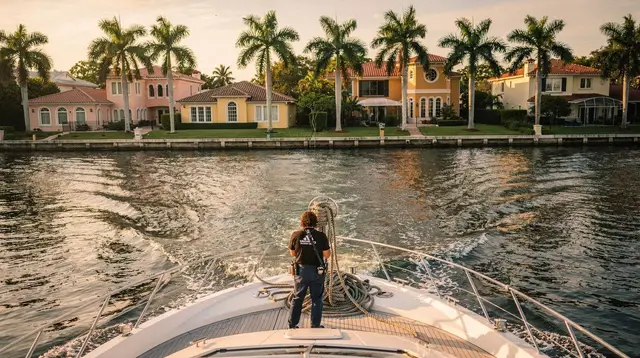
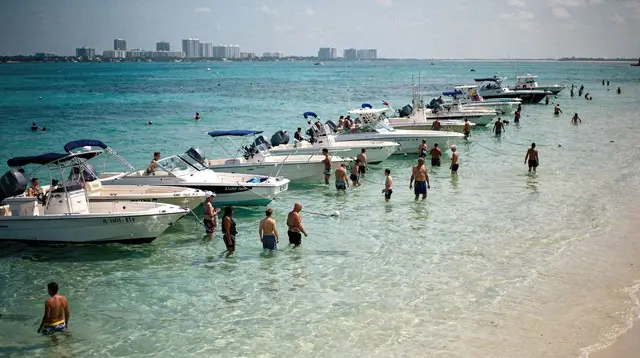
Miami's mainland neighbourhoods: Downtown, Little Havana, Wynwood, Coral Gables
Which Miami neighbourhood should I spend my time in?
Miami City splits into four distinct areas on the mainland: Downtown and Brickell for skyline and museums, Little Havana for Cuban-exile culture, Wynwood and the Design District for street art and galleries, and Coconut Grove with Coral Gables for shaded streets and historic estates. Pick based on interest rather than trying to cover all four in one day, and keep in mind Miami Beach is a separate city across the bay.
Four neighbourhoods, one mainland city
Miami City sits on the mainland side of Biscayne Bay, and it isn’t one uniform downtown — it’s four areas with distinct characters, spread out enough that visiting all four in a single day means a lot of transit and not much time in any of them. This page covers what each one is actually like: Downtown and Brickell, Little Havana, Wynwood and the Design District, and Coconut Grove with Coral Gables. Where you should sleep is a separate question, covered in where to stay in Miami; this page is about how to spend daytime hours once you’ve picked a base.
One distinction worth repeating up front: everything described here is on the mainland, on the Biscayne Bay side of the causeways. South Beach, the Art Deco Historic District and the rest of Miami Beach are a separate city on a barrier island, with their own character and their own page at Miami Beach. None of the four neighbourhoods below are “part of” Miami Beach, and none of them look like it — no oceanfront boardwalk, no Art Deco facades. Confusing the two leads to disappointed expectations in both directions.
Downtown and Brickell: skyline, business and museums
Downtown and Brickell together form Miami’s financial and civic core: high-rise towers, waterfront parks and the city’s biggest museums, with a working business-district rhythm on weekdays and a quieter feel on weekends. Bayfront Park runs along the waterfront near the cruise terminals and hosts outdoor events; nearby, Bayside Marketplace mixes shopping with boat-tour docks. The Perez Art Museum Miami (PAMM) and the Frost Museum of Science sit on adjoining waterfront sites, both worth two to three hours if contemporary art or hands-on science exhibits interest you — see the fuller rundown in Miami museums and attractions.
Brickell, just south of Downtown, is denser with condo towers and financial offices, plus a growing restaurant and rooftop-bar scene aimed at residents and business travellers rather than tourists. It’s walkable in sections but spread out overall.
The practical advantage of this area over the other three: the Metromover, an automated people-mover that loops through Downtown, Brickell and the Omni district, and costs nothing to ride. It’s the only one of the four neighbourhoods where you can move around without a car or a rideshare. Miami’s cruise port also sits at the edge of Downtown, which is why this is often the first or last neighbourhood visitors see — for the transfer logistics, see Miami airport and cruise port transfers. For an organised look at the waterfront and skyline together, a combined city tour and boat ride covers Downtown’s skyline from the water in a way a walking loop can’t.
For things to do specifically in this area beyond the museums, things to do in Downtown and Brickell breaks it down by category.
Dining here leans toward business-hours lunch spots and rooftop bars rather than the late-night, cash-and-cafecito rhythm of Little Havana. If a guided food outing is part of the plan, Miami food and drink tours covers options that start in or near Brickell rather than requiring a separate trip across town. Because prices in restaurants and bars don’t include tax or an automatic service charge in most cases, it’s worth reading Miami tipping, taxes and resort fees before the first check arrives, since Florida sales tax and expected tips both add noticeably to a printed menu price.
Little Havana: Calle Ocho and the Cuban-exile city
Little Havana sits west of Downtown, a 10 to 15 minute drive or rideshare rather than a walk. Its identity is shaped by decades of Cuban exile: Calle Ocho (SW 8th Street) is the main strip, lined with cafés serving cafecito and pastelitos, cigar shops with rollers working in the window, and Domino Park, where retirees play dominoes in public most afternoons. This is a neighbourhood built around daily life rather than a curated attraction, and it reads differently depending on the hour — mornings are for coffee windows, evenings and weekends bring live music and a livelier street.
A walking visit of two to three hours covers the core stretch of Calle Ocho comfortably. For a closer look at how cigars are actually made, a cigar factory tour goes past the shopfront and into the rolling process itself. Food is arguably the neighbourhood’s strongest draw — see Little Havana food tours for guided options, or Cuban food in Miami for a self-guided approach. Background on the community itself is in Little Havana and Cuban Miami, and the fuller activity list is at things to do in Little Havana.
Little Havana is not walkable from Downtown or Brickell despite appearing close on a map — plan a rideshare or drive rather than assuming a stroll will get you there.
Many of the coffee windows and small cafés along Calle Ocho run on cash or card with no separate tip line built into the receipt, so it’s worth having small bills ready if you want to tip the way locals do. The neighbourhood is also one of the better ones for a first Miami visit precisely because it doesn’t depend on weather the way a beach day does — useful to know if a trip lands during the wetter stretch of the year covered in Miami in summer or if a storm system is tracked anywhere near South Florida, per Miami’s hurricane season guide.
Wynwood and the Design District: street art and galleries
Wynwood is Miami’s open-air street-art district, built on the walls of former warehouses. Wynwood Walls anchors it — a curated collection of large-scale murals, some visible for free from the surrounding streets, with the fenced garden area charging admission for the full collection and rotating installations. Beyond the murals, the neighbourhood is dense with independent galleries, breweries and design shops, worth wandering rather than rushing through — see Wynwood street art tours for a guided version and how Wynwood became an open-air museum for the backstory.
The Design District sits a few blocks northeast and is a different register entirely: architecture and furniture showrooms, high-end fashion boutiques and a more polished streetscape, with far fewer murals and a quieter pace. Treating Wynwood and the Design District as one stop tends to shortchange both — Wynwood rewards slow walking and looking up at building-scale art, while the Design District is closer to browsing a shopping district. An e-bike tour with a local guide is a reasonable way to cover both areas plus some surrounding blocks in a couple of hours without the fatigue of walking the whole stretch on foot. The combined activity list is at things to do in Wynwood and the Design District.
Neither Wynwood nor the Design District has Metromover coverage; a rideshare from Downtown takes roughly 10 to 15 minutes depending on traffic.
Both districts are largely outdoors or in open-air walkways between galleries, so the midday sun matters more here than in a museum-heavy day in Downtown. Mornings or the couple of hours before sunset are noticeably more comfortable for walking the murals, especially outside the cooler, drier months described in best time to visit Miami. Photographers treat Wynwood’s murals as one of the city’s most reliable backdrops; Miami photoshoots has more on planning around the light and the crowds at the most-photographed walls.
Coconut Grove and Coral Gables: shaded streets and historic estates
South of Brickell and Little Havana, Coconut Grove and Coral Gables shift the pace again — leafier, quieter, and built around historic architecture rather than nightlife or street art. Coconut Grove has a village-like main strip with cafés and shops under tree cover, plus waterfront parks along the bay.
Coral Gables, adjoining it to the west, is the more architecturally distinctive of the two: the Vizcaya Museum and Gardens, an early-20th-century estate modelled on Italian villas, sits at the edge of Coconut Grove and is worth two hours minimum for the house and gardens together — see Vizcaya and Coral Gables attractions for the fuller list, which also covers the Venetian Pool (a historic public swimming pool carved from a former quarry) and the Biltmore Hotel, a landmark 1920s resort still operating as a hotel. Coral Gables’ streets follow a Mediterranean Revival plan from the 1920s, with tree canopy and consistent architecture that reward slow driving or walking more than a checklist of stops.
For those who want to see this area from horseback rather than on foot, a guided horseback riding tour runs through parts of this greener, lower-density part of Miami City — a different pace entirely from Downtown or Wynwood. The full activity breakdown for this pair of neighbourhoods is at things to do in Coconut Grove and Coral Gables.
Pairing Vizcaya with a broader look at the Biltmore Hotel and the Venetian Pool comfortably fills a half-day on its own, which makes this the neighbourhood pair most people underestimate on a first visit — it looks small on a map next to Downtown but rewards more time than a quick drive-through. Families weighing whether to add it to a longer stay can check Miami with kids for how well the estate grounds and pool actually work for younger visitors, since not every historic site in the city is built for a stroller or a toddler’s attention span.
Comparing the four areas
| Neighbourhood | Character | Getting there without a car | Typical time needed |
|---|---|---|---|
| Downtown and Brickell | Skyline, museums, business district | Free Metromover within the area | Half a day |
| Little Havana | Cuban-exile culture, food, Calle Ocho | Rideshare from Downtown, 10-15 min | 2-3 hours |
| Wynwood and Design District | Street art, galleries, design showrooms | Rideshare from Downtown, 10-15 min | 3-4 hours |
| Coconut Grove and Coral Gables | Shaded streets, historic estates | Rideshare or car, 15-20 min from Downtown | Half a day |
Prices for guided tours in any of these areas vary by season and group size; check the current rate on the GetYourGuide listing before booking rather than relying on a fixed figure here.
Putting a day together
None of these four areas connects seamlessly to the others on foot, and only Downtown and Brickell have free public transit coverage via the Metromover. Trying to fit all four into one day usually means more time in transit than in any neighbourhood itself. A more realistic split is Downtown and Brickell as a half-day, Little Havana as an afternoon or evening add-on given its food and nightlife hours, and Wynwood, the Design District, Coconut Grove and Coral Gables each as their own half-day or full day depending on how much walking and lingering you want to do.
If you’re deciding how many days to allocate across Miami City altogether — as opposed to Miami Beach or day trips further out — see how many days in Miami and best time to visit Miami for the seasonal trade-offs. And if the plan includes an ATV or off-road outing as a change of pace from museum-and-gallery days, an ATV tour with a guide is booked separately from any of the four neighbourhoods above, typically departing from outside the urban core.
Fitting these neighbourhoods into a longer stay
On a short trip, most visitors end up choosing two or three of these four areas rather than all of them, and pairing that choice with a day or two in Miami Beach and maybe one excursion further out. Four days in Miami and three days in Miami both build in a mainland day alongside beach time and a possible Everglades add-on, which is a reasonable template if you’re not sure how to divide your time. A longer stay, such as five days in Miami and the Everglades or ten days in South Florida, has more room to give Coconut Grove and Coral Gables their own half-day instead of squeezing them in after Downtown.
Budget also shapes the choice more than most guides admit: Downtown and Brickell’s museums and the free Metromover make for a relatively low-cost day, while Wynwood’s Wynwood Walls admission and Little Havana’s food stops add up faster. Miami on a budget and free things to do in Miami both point to which parts of these four neighbourhoods can be enjoyed without paying for a ticketed attraction.
Miami neighbourhoods: frequently asked questions
Is Little Havana part of Downtown Miami?
No. Little Havana is its own neighbourhood west of Downtown, centred on Calle Ocho (SW 8th Street). It’s a 10 to 15 minute drive or rideshare from Downtown and Brickell, not a walkable extension of the business district.
Is Wynwood the same as the Design District?
They’re adjacent but distinct. Wynwood is the street-art and warehouse-gallery zone around Wynwood Walls; the Design District, a few blocks northeast, is higher-end, with architecture and furniture showrooms and fewer murals.
Are Coconut Grove and Coral Gables in Miami Beach?
No. Both are mainland neighbourhoods south of Downtown, on the Biscayne Bay side. Miami Beach is a separate city on a barrier island, reached by causeway.
Is Wynwood Walls free to visit?
Partly. Some of the outdoor murals along the street can be seen without paying, but the ticketed Wynwood Walls garden charges admission. Budget for it if you want the full mural collection and the museum shop.
How do I get between Downtown, Brickell, Little Havana, Wynwood and Coral Gables?
The free Metromover covers Downtown, Brickell and the Omni area on its own loops. Little Havana, Wynwood, the Design District, Coconut Grove and Coral Gables sit outside the Metromover network and are best reached by rideshare or a rental car.
Which neighbourhood is best for a first-time visitor with one day in Miami City?
Downtown and Brickell for the skyline, Bayfront Park and the Perez Art Museum Miami, plus a couple of hours in Little Havana for Calle Ocho, covers the contrast most first-time visitors want without an overloaded day.
Should I stay in these neighbourhoods or in Miami Beach?
This guide covers what each area offers to see and do, not where to book a room. For lodging trade-offs between Miami City and Miami Beach, see the dedicated where-to-stay guide.
Trip planning guides for Miami and the Keys
Verified deep-linked GetYourGuide tours. Book through these links and we earn a small commission at no cost to you.
GetYourGuide does not provide a product photo for this activity — the image shows the meeting point, photographed by us.