Not a Miami neighbourhood: a separate city on its own island
Miami Beach gets called a Miami neighbourhood constantly, and it isn’t one. It is its own incorporated city, sitting on a barrier island in Biscayne Bay, physically cut off from mainland Miami by open water. Three causeways carry traffic across: the MacArthur Causeway (from Downtown, the fastest route for cars), the Venetian Causeway (a slower, scenic drive over a string of small islands, with a toll for cars), and the Julia Tuttle Causeway (the I-195 route, mostly used for through traffic). Downtown and Brickell, Little Havana and Wynwood all sit on the mainland side and belong to Miami city, not to Miami Beach. If a guide, driver or listing describes South Beach as “in Miami,” that’s a shortcut, not the geography.
The distinction matters for planning. Addresses, city services and even sales tax rates differ slightly between the two cities, and travel time between them is real: 20 to 40 minutes by car depending on the causeway and time of day, more at rush hour. Staying in South Beach and expecting a five-minute hop to Little Havana for dinner is a common mistake first-time visitors make; budget the crossing time both ways.
Miami Beach is served by the same two airports as the rest of the region: Miami International (MIA) on the mainland, and Fort Lauderdale-Hollywood (FLL) about 30 miles north. Neither airport sits on the island itself, so every arrival includes a causeway or a longer highway drive; see getting from Miami International to Miami Beach and airport and cruise port transfer options for the practical routes. Visitors from Visa Waiver Program countries need an approved ESTA before flying in, not a visa; the only official site is esta.cbp.dhs.gov, and the rules are covered in more detail in the guide to ESTA and entry rules for Miami.
South Beach: the free public beach and the strip everyone photographs
South Beach is the southern end of the island and the part most visitors mean when they say “Miami Beach.” The beach itself is public and free, with wide sand and lifeguard stations spaced along its length; there’s no entry fee to walk on or swim from it, though beach chair and umbrella rentals cost extra.
Ocean Drive runs parallel to the sand and is the postcard image of the area: pastel Art Deco hotels, sidewalk cafes with hosts calling out menus, and a steady flow of foot traffic day and night. It’s worth walking once for the view, but locals and repeat visitors tend to eat a block or two inland, where prices drop and the food improves. Lincoln Road, a pedestrian-only shopping street a few blocks north, is a better bet for dinner, people-watching and browsing without the Ocean Drive markup.
Lummus Park is the strip of green between Ocean Drive and the sand, useful for shade, volleyball courts and a place to leave bags while swimming. At night, South Beach’s clubs and lounges are the core of Miami’s nightlife scene, concentrated roughly between 5th and 15th Streets; the Miami nightlife guide breaks down the main strips and what each one is known for.
South Beach isn’t the only beach worth comparing before booking a hotel: the guide to the best beaches in Miami and South Florida sets it against Key Biscayne, Fort Lauderdale and the Keys for anyone weighing where to actually spend their sand time. Day passes at some of the beachfront hotels let non-guests use a pool and lounge area for a fee, covered in the guide to Miami Beach clubs and pool day passes, which is often a better value than a table on Ocean Drive for a full day out. For a sit-down meal without the Ocean Drive markup, the South Beach food and drink tours guide covers guided options as well as where locals eat on their own.
The Art Deco Historic District: pastel facades with real history behind them
The Art Deco Historic District covers a roughly one-square-mile stretch of South Beach and is listed on the National Register of Historic Places. It holds hundreds of buildings from the 1920s through the 1940s, most of them small hotels and apartment houses built in a tropical variant of Art Deco: pastel paint, rounded corners, porthole windows, neon trim and stepped rooflines. The concentration is unusual for a US city and the reason South Beach looks the way it does in photos.
A one-hour walking tour focused on the district’s history and architecture is a better use of time than wandering Ocean Drive alone, since most of the buildings’ details (terrazzo floors, original signage, the difference between Streamline Moderne and Miami Deco touches) aren’t obvious without context. Early morning, before the crowds and the heat, is the best time to photograph the facades in flattering light. The Miami Art Deco District guide goes into the design vocabulary in more depth, and the South Beach Art Deco tours guide compares the walking-tour operators.
For visitors who’d rather cover the district on wheels than on foot, the South Beach bike and Segway tours guide covers a faster way to see more of the neighbourhood in the same amount of time, though it trades some of the close-up architectural detail for distance covered. Either way, the district rewards a guided first pass more than most Miami attractions, precisely because so much of what makes it distinctive is easy to walk past without knowing what to look for.
North Beach and Mid-Beach: the quieter half of the island
North of about 23rd Street, the character changes. Mid-Beach and North Beach have wider, less crowded stretches of sand, more residential blocks, and a slower pace than South Beach. Hotels here tend to be quieter and sometimes better value, at the cost of being a longer walk or short drive from the nightlife and restaurant density further south. This section suits visitors prioritizing a calm beach day over bar-hopping, and families who want space without leaving the island; the Miami with kids guide covers North Beach and Mid-Beach alongside other family-friendly stretches of the region.
Key Biscayne: an island detour across a second causeway
Key Biscayne is a separate island southeast of Downtown Miami, reached by the Rickenbacker Causeway (a toll road for cars) rather than by any of the Miami Beach causeways — it is not part of Miami Beach and not connected to it by road. The crossing itself is scenic, with views back toward the Downtown skyline and Biscayne Bay.
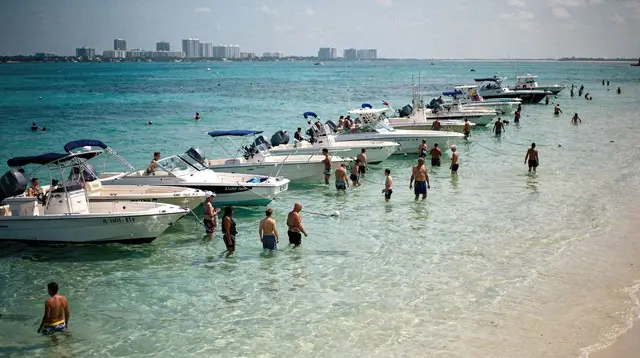
On the island, Crandon Park has a long, wide public beach that’s markedly less crowded than South Beach, plus a golf course and a nature center. At the southern tip, Bill Baggs Cape Florida State Park protects a stretch of coastline and a 19th-century lighthouse that can be climbed on a ranger-led tour (schedule varies, check on arrival). The park charges a per-vehicle entry fee. Key Biscayne works well as a half-day or full-day trip from either South Beach or mainland Miami, and it’s a common launch point for boat tours and jet ski rentals heading out into Biscayne Bay; the Key Biscayne jet ski and water sports guide covers the rental operators based on this side of the bay specifically.
The calmer waters around Key Biscayne and the wider bay are also one of the more reliable places in the area to spot marine life without a dedicated wildlife charter; the guide to spotting dolphins and manatees in South Florida explains where and when sightings are most likely.
Skip the car: parking is scarce and expensive
A rental car is a liability on Miami Beach itself. Street parking in South Beach is metered, limited and often full; garages charge by the hour and add up fast over a multi-day stay. The island’s grid is compact and walkable, especially in South Beach and Lincoln Road, and trolleys run free routes along the main corridors. For getting to and from the mainland, ride-hailing apps are the practical option unless a specific side trip (Key Biscayne, the Everglades, the Keys) calls for a car. Contrast this with the Everglades or the Florida Keys, where a car is genuinely useful and there’s no walkable alternative.
Where South Beach fits against the water-based tours
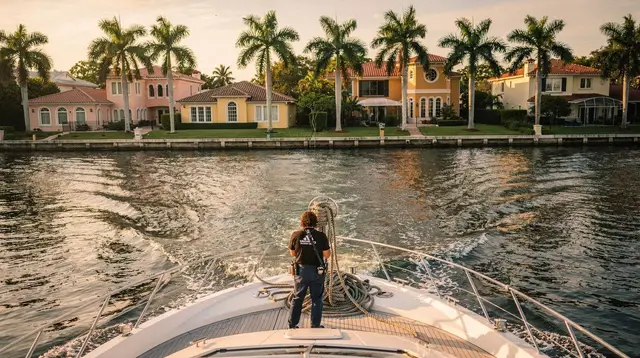
Because Miami Beach sits directly on Biscayne Bay and the Atlantic, most boat, jet ski and yacht excursions leaving from this side of the water depart from marinas in South Beach or nearby, rather than from Downtown. A private yacht trip with sparkling wine is a common way to see the skyline and the island chain from the water without renting anything yourself; smaller operators also offer guided jet ski runs along the coastline for a shorter, more active option.
At Key Biscayne specifically, Crandon Park has become a spot for wing foil rental for people wanting to try the sport in steady, shallow-water conditions. For groups wanting to set their own pace on the water without a big charter, a captained boat rental out of Miami Beach for up to six people is a middle option between a full yacht charter and a jet ski rental. All of these run in fair weather only; expect delays or rebooking around summer thunderstorms and any tropical system during hurricane season (June 1 to November 30).
Beyond the operators above, the South Beach boat tours and cruises guide rounds up the wider range of sightseeing and party boat options departing from this side of the bay, for anyone comparing more than the handful of tours listed here.
Where to stay: South Beach, Brickell or somewhere quieter
Deciding whether to stay on the island at all is one of the first questions for a Miami trip, since it affects almost everything else about the days that follow. South Beach puts a visitor within walking distance of the beach, the Art Deco district and the nightlife, at a premium price and with the causeway crossing already described above working against day trips to the mainland.
Staying instead in Brickell or Downtown trades beach-front convenience for easier access to Little Havana, Wynwood and the airport, with a short causeway drive to reach the sand. The South Beach versus Brickell guide compares the two directly, and the broader where to stay in Miami guide covers the rest of the region’s neighbourhoods for anyone not sold on the island yet. Further north, Fort Lauderdale is a genuine alternative base for a beach-focused trip, with its own causeway-free waterfront and a different pace than South Beach.
Costs, tipping and taxes on the island
Miami Beach adds its own resort tax on top of the county’s base rates, so hotel bills run higher here than the nightly rate shown at booking. Restaurant tabs on Ocean Drive in particular sometimes already include a service charge; check the bill before adding a tip on top, since Miami Beach is one of the more common places in the region for this to happen. Standard tipping (18-20% at restaurants and bars, plus tips for boat crews and tour guides) still applies everywhere else. Prices below are per person, in US dollars, before tax and tip.
| Activity | Typical price range | Notes |
|---|---|---|
| Beach chair and umbrella rental | $20-40/day | Beach access itself is free |
| Art Deco walking tour | $25-45 | Roughly 1-1.5 hours |
| Jet ski rental (guided) | $80-150 | Weather-dependent |
| Private yacht trip | $400-1,200+ | Usually priced per boat, split by group size |
| Bill Baggs Cape Florida entry | ~$8-10 per vehicle | Check current rate on arrival |
Miami Beach and Key Biscayne: frequently asked questions
Is Miami Beach part of Miami?
No. Miami Beach is a separate, independently incorporated city on a barrier island, connected to mainland Miami only by causeways (the MacArthur, Venetian and Julia Tuttle). It has its own city government and its own tax rates, distinct from Miami.
Do I need a car to get around Miami Beach?
No, and it’s usually a disadvantage. South Beach and Lincoln Road are walkable, free trolleys cover the main corridors, and street parking is scarce and metered. A car is more useful for trips off the island, such as to the Everglades or the Florida Keys.
Is the beach in South Beach free?
Yes, the sand and water access are public and free. Chairs, umbrellas and cabana rentals cost extra, and some hotels reserve sections of beach for guests directly in front of their property.
How do I get to Key Biscayne, and is it part of Miami Beach?
Key Biscayne is reached by the Rickenbacker Causeway, a toll road that starts near Downtown Miami, not from Miami Beach. It is a separate island and a separate trip, though it’s easy to combine with a Miami Beach stay if arranged as a half-day or full-day outing.
What’s the difference between South Beach and North Beach?
South Beach is the dense, walkable southern end with Ocean Drive, Lincoln Road and most of the nightlife and Art Deco architecture. North Beach and Mid-Beach, further up the island, are quieter and more residential, with wider stretches of less crowded sand.
Do restaurants on Ocean Drive already add a tip to the bill?
Some do, particularly on Ocean Drive itself. Check the bill for a service charge before adding a further 18-20% tip on top; this catches out visitors more often here than elsewhere in Miami.
When is the best time to visit Miami Beach?
Roughly November through April, when humidity and rain are lower and days are sunny. Hurricane season runs June 1 to November 30 with a peak from August to October; summer visits are workable but expect heat, humidity and afternoon storms.
Is Bill Baggs Cape Florida State Park worth the trip to Key Biscayne?
For the lighthouse, the quieter beach and the skyline views from across the bay, yes, though it’s a half-day commitment once travel time and the entry fee are factored in. Pair it with Crandon Park or a water activity to make the causeway crossing worth it.