Two districts, one skyline
Downtown and Brickell sit on the mainland side of Biscayne Bay, not on the barrier island — that’s South Beach and the Art Deco Historic District, a separate causeway ride away. This page keeps to the mainland’s vertical core: towers, museums and the bay itself. It leaves the cigar shops and Cuban coffee windows of Little Havana and the murals of Wynwood and the Design District where they belong. Together with Coconut Grove and Coral Gables, these four areas make up Miami City — the mainland half of the metro area, as distinct from Miami Beach on its own barrier island.
Downtown is the older half: government buildings, Bayfront Park, Bayside Marketplace, the museum park and the cruise terminals. Brickell, just south along the Miami River, is the financial district — a forest of condo and office towers that has gone up mostly since the 2000s, with a walkable retail spine (Brickell City Centre) and a growing restaurant scene along South Miami Avenue. Neither neighbourhood is a beach destination, and neither should stand in for all of Miami: this is one working, visible slice of the city, not the summary of it — that broader picture is on the Miami page.
Bayfront Park and Bayside Marketplace
Bayfront Park is the green wedge between the office towers and the water, with the Klipsch Amphitheater (concerts and events) and views across to Miami Beach’s causeways. It’s free, shaded in patches, and the natural starting point for a first walk through Downtown.
Bayside Marketplace sits at the park’s northern edge: a two-level waterfront mall of chain restaurants, souvenir stalls and bay-view bars, plus the docks where most sightseeing boats and jet ski tours leave from. It’s touristy and unremarkable as shopping, but it’s genuinely useful as a departure point — a short walk from the Metromover, with restrooms, a food court and a place to sit before or after being on the water. A sunset drink here, looking back at the skyline from a boat, is a better use of the location than the shops themselves.
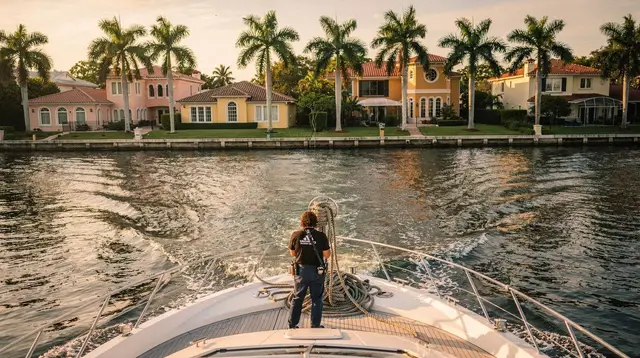
Miami: River Downtown and Brickell Night Cruise leaves from near Bayside and threads the Miami River before opening onto the bay at night, when the tower lights do more work than they do at noon. For a shorter, cheaper look at the skyline by day, Downtown Miami Tour with Millionaire’s Row Cruise Tickets pairs a walking-distance boat ride with a pass along the mansion-lined shore of the bay.
Pérez Art Museum Miami and the Frost Museum of Science
Museum Park, just north of Bayside on reclaimed bayfront land, holds Downtown’s two serious sights, both built in the 2010s and both worth the ticket if a museum day is on the itinerary.
The Pérez Art Museum Miami (PAMM) is a contemporary and modern art museum with a strong Caribbean and Latin American collection, a shaded hanging-garden terrace by Herzog & de Meuron, and rotating exhibitions that change enough to reward a second visit years apart. Pérez Art Museum Miami Entry Ticket covers general admission; check the museum’s own site for the current exhibition schedule and any timed-entry requirement before buying, since programming and hours shift through the year.
Next door, the Frost Museum of Science combines a planetarium, an aquarium wing built around a three-story oculus tank, and hands-on science galleries aimed at families as much as adults. The two museums share a plaza and can realistically be combined in one afternoon, though doing both properly — rather than rushing either — is what turns a half-day visit into a full one.
Neither museum is on the water in a way that lets you skip a ticket: both charge separate admission, and neither is included in city-pass style bundles by default in every season, so it’s worth checking current pricing directly before planning around a specific bundle.
The cruise port and Downtown as an arrival point
PortMiami sits at the eastern edge of Downtown, on Dodge Island, connected by its own bridge — it’s one of the busiest cruise ports in the world, and cruise passengers often have a few hours here before or after sailing. For that window, Bayfront Park, Bayside and a short Metromover loop through the towers cover the realistic amount of Downtown that fits between check-in and boarding; the museums need more time than most layovers allow.
Downtown is also where several skyline flights and water tours start or pass close by. Miami: Seaplane Skyline and Beaches Tour takes off from the bay near here and gives a wider view of how Downtown, Brickell and the barrier islands actually sit relative to each other — useful for anyone still working out the geography after reading this page.
Brickell: towers, the river, and life after office hours
Brickell reads as pure financial district by day — bank towers, law firms, a lunchtime rush around Brickell City Centre’s air-conditioned retail corridor. By evening and on weekends it turns into a genuinely lively restaurant and rooftop-bar strip, especially along South Miami Avenue and inside the newer tower podiums. It’s not a sightseeing district in the way Downtown’s waterfront is; the appeal is architecture, food and the Miami River itself, where water taxis and small tour boats move between Brickell’s bridges and the bay.
The Brickell Avenue Bridge and the riverwalk beneath the towers are free to walk and give a different angle on the skyline than the bayfront does — worth ten minutes even without a boat ticket. For an active look at the same water, Miami: Guided Biscayne Bay Jet Ski Tour departs from the Downtown/Brickell shoreline and runs out past the causeways into open bay water, weather permitting.
Getting around: the Metromover, free and useful
The one genuinely distinctive practical point here, worth stating plainly: the Metromover is a free, driverless elevated train that loops continuously through Downtown, Brickell and the Omni area, with 21 stations spaced a few blocks apart. Nowhere else in Miami offers transit this convenient at this price — most of the rest of the metro area is built around cars and rideshares, including Miami Beach across the bay, where the Metromover doesn’t reach.
That makes Downtown and Brickell the one part of the region where it’s realistic to arrive, park once (or take the Metrorail in), and spend the whole visit on foot and on the Mover — no rideshare needed between Bayfront Park, Bayside, the museums and the Brickell towers. It runs from early morning to midnight and requires no ticket or card, just a walk onto the platform.
How much time this actually takes
Be honest about the split: the waterfront loop — Bayfront Park, Bayside, a Metromover ride, a look at the Brickell riverwalk — is a comfortable half-day on foot, three to four hours including a meal. Adding both museums properly, rather than rushing one, turns it into a full day. Neither museum should be treated as a twenty-minute stop; PAMM’s terrace alone rewards sitting for a while, and the Frost Museum’s aquarium wing takes real time to see well.
What doesn’t need a full day: the shopping at Bayside itself, which is a stop of thirty to forty-five minutes at most unless there’s a specific reason to linger, and Brickell’s office-tower district by day, which reads mostly as a walk-through rather than a destination until evening.
When to visit, and what hurricane season means here
The dry season, roughly November through April, is the easiest stretch for a Downtown and Brickell day: lower humidity, cooler evenings on the bay, and the best odds of a clear skyline for a sunset cruise or a walk along the Brickell riverwalk. It’s also the busiest and most expensive time to visit, since it overlaps with the rest of Miami’s high season — see the best time to visit Miami guide for how that trades off against price and crowds citywide.
The wet season runs roughly May through October: afternoon thunderstorms are common but usually brief, and they rarely cancel a museum visit or a Metromover loop, though they can delay or reroute an open-air boat tour. Folded into that window is the Atlantic hurricane season, which NOAA defines as running from June 1 to November 30, with most activity clustering in August, September and October. A named storm doesn’t mean cancelling a trip outright, but it’s worth checking the forecast a few days out before booking anything on the water during those peak months — the Miami hurricane season guide covers what that actually looks like on the ground, and separates real risk from overblown warnings. For a season-by-season feel of the city beyond just the weather, Miami in summer and Miami in winter cover the two halves of the year in more detail.
Money, tipping and getting in
Prices quoted around Bayside, the museums and most tours are shown before tax: Miami-Dade County adds a 7% sales tax at the register, so budget a little above the sticker price on tickets, food and retail. Restaurants and bars expect a tip on top of that again — 18 to 20% is standard practice across Miami, including the sit-down spots inside Brickell City Centre and around Bayside. The Miami tipping, taxes and resort fees guide breaks down exactly where that adds up, and the Miami sales tax and resort fees explained post is a shorter version of the same math.
Entry itself is straightforward for most visitors: travelers from Visa Waiver Program countries need an ESTA — an online travel authorization, not a visa — applied for only through the official esta.cbp.dhs.gov site; everyone else needs a B-2 visitor visa. Neither is specific to Downtown or Brickell, but it’s worth sorting before booking any of the tours or museum tickets above, since a cruise or seaplane departure won’t wait on paperwork. The ESTA and entry rules for Miami guide walks through the process step by step.
Where this fits in a wider Miami trip
Downtown and Brickell pair naturally with a bay cruise, since most sightseeing boats and jet ski tours leave from right here. See Downtown Miami Tour with Millionaire’s Row Cruise Tickets above, or browse the fuller list in the Miami boat tours and yacht charters guide and the Biscayne Bay cruises from Bayside guide for departure times and current pricing.
For a first Miami trip, Downtown and Brickell usually make sense as a single day within a longer stay rather than a whole visit on their own — see the weekend in Miami itinerary for how it slots alongside South Beach, Little Havana and a day trip further out. The Miami museums and attractions guide and the Miami city tours guide cover PAMM, Frost Science and guided options in more depth than fits here, and the Vizcaya and Coral Gables attractions guide is the natural next stop for anyone drawn to museums and grand architecture rather than towers.
For the transit details behind the Metromover point above, see getting around Miami: Metromover, Metrorail and trolleys, and for anyone arriving straight from a cruise, the Miami airport and cruise port transfers guide covers the trip in from PortMiami or the airport. For a broader skyline reference, the Miami skyline viewpoints post lists where else in the city to see this same view from a different angle.
Prices for museum tickets and bay cruises change with the season and time of day; treat the ranges above as planning figures and check the linked GetYourGuide or Viator listing for the fare on the day you intend to visit.
Questions about visiting Downtown and Brickell
Is Downtown Miami the same as Miami Beach?
No. Downtown and Brickell are on the mainland, on the western side of Biscayne Bay; Miami Beach, including South Beach, is a separate city on a barrier island reached by causeway. They’re often confused by first-time visitors booking hotels, so check which side of the bay an address is on before assuming walking distance.
How much time should I set aside for Downtown and Brickell?
A half-day covers Bayfront Park, Bayside Marketplace and a Metromover loop past the towers. A full day is more realistic if both the Pérez Art Museum Miami and the Frost Museum of Science are on the list, since rushing either museum defeats the point of visiting.
Is Bayside Marketplace worth visiting?
As shopping, not particularly — it’s a standard waterfront mall. As a departure point for boat tours and jet ski trips, and as a place to sit by the water before or after one, it earns its stop.
Do I need a car in Downtown and Brickell?
No, and it’s arguably a disadvantage here. The free Metromover connects Bayfront Park, Bayside, the museum district and Brickell’s towers without a car or a rideshare — the one part of Miami where that’s true.
Are PAMM and the Frost Museum of Science included in a city pass?
Not automatically in every bundle, and availability changes by season. Check each museum’s current admission page or the linked ticket option above before assuming a pass covers both.
Can I see Downtown and Brickell on a cruise layover?
Yes, for the waterfront portion. Bayfront Park, Bayside and a short Metromover ride fit comfortably into a few spare hours before or after sailing from PortMiami. The two museums need more time than most layovers give.
Is Brickell worth visiting during the day?
Mostly for architecture and a riverwalk stroll rather than sightseeing; Brickell’s real appeal — restaurants and rooftop bars — picks up in the evening and on weekends, not during the office-hours lunch rush.
How do I get from South Beach to Downtown and Brickell?
By car or rideshare across the MacArthur Causeway, roughly 15 to 20 minutes without traffic (about 4 miles/6 km); there’s no direct free transit link between the barrier island and the mainland core, so budget for a rideshare or a rental car for that specific crossing.
Does hurricane season affect a visit to Downtown and Brickell?
Only occasionally. The Atlantic hurricane season runs June 1 to November 30, with the highest chance of a storm in August, September and October, but most days in that window are ordinary Miami weather — afternoon showers, not cancelled plans. It’s worth checking the forecast before booking a boat, jet ski or seaplane tour in those peak months; the museums, Bayside and the Metromover are unaffected by anything short of an actual storm warning.