Miami in winter: the dry season, high season and best time for the Everglades
Is winter a good time to visit Miami?
Winter, roughly November to April, is Miami's dry season: sunnier and less humid than summer, and the best window for spotting wildlife in Everglades National Park. It is also the high season, so hotels, flights and tours cost the most and popular sites get busier.
Miami’s other season: sunny, dry and expensive
South Florida runs on two seasons, not four, and winter here means the dry one. Roughly from November through April, rainfall drops, humidity eases and the sky clears up for long stretches at a time. It is the version of Miami most postcards show: bright light, calm seas, and outdoor plans that rarely get rained off.
That reliability has a cost. This stretch of the year is also Miami’s high season, and it is priced that way. Hotel rooms, flights and guided excursions all sit at the top of their yearly range, with the tightest availability around the December holidays and again in February. Anyone comparing this guide with Miami in summer is really comparing two trade-offs: sunny and expensive against hot, humid and comparatively affordable. For a fuller seasonal breakdown across the whole year, see best time to visit Miami.
One thing this season is not: hurricane season. The Atlantic hurricane season runs from 1 June to 30 November, so the dry winter months sit outside that window entirely. If storm risk is what brought you here, the guide you want is Miami hurricane season, which covers the June-to-November period on the opposite side of the calendar.
Why the dry season is the best window for the Everglades
Of everything that changes between Miami’s two seasons, the biggest shift for travellers happens west of the city, in Everglades National Park. The Everglades is not a static swamp but a slow-moving “river of grass,” and how much water is moving through it changes with the season.
During the wet months, water spreads out across a much larger area, and animals disperse with it. In the dry season, water levels fall and what remains pools into a smaller number of sloughs, ponds and canals. Alligators, wading birds, turtles and fish concentrate around those remaining pools, which makes wildlife far easier to spot from a boardwalk, a tram or an airboat than during the wetter months. This is also the season with dramatically fewer mosquitoes, which on its own makes a difference to how much anyone enjoys a few hours outdoors near the water.
That combination is why guides and park staff consistently point to December through April as the better half of the year for an Everglades visit. It is worth being precise here: airboat tours run mainly with private operators along the edges of the park, such as around the Tamiami Trail and Everglades City, since airboats are not allowed through most of the park itself. Inside the park, Shark Valley offers a 15-mile loop that can be covered by tram, on foot or by bicycle, with an observation tower partway round.
a 1.5-hour Everglades airboat ride is a straightforward way to see this concentrated wildlife window without planning your own route through the park’s edge. For the tram-based alternative through the park itself, and a comparison of what each style of tour actually shows you, see Everglades airboat versus Shark Valley tram. A full day-trip framework, including which entrance to use and how to combine stops, is covered in Everglades day trip from Miami, and Everglades airboat tours rounds up operator options in more detail.
It is also worth remembering that this stretch of Florida is the only place on Earth where the American alligator and the American crocodile live side by side, according to the National Park Service. Dry season sightings can include either, and a tour guide worth listening to will not blur the two together.
Beyond the Everglades: what else gets better outdoors
The same dry, sunny stretch that helps wildlife-watching in the Everglades also improves most other outdoor plans around Miami and its islands.
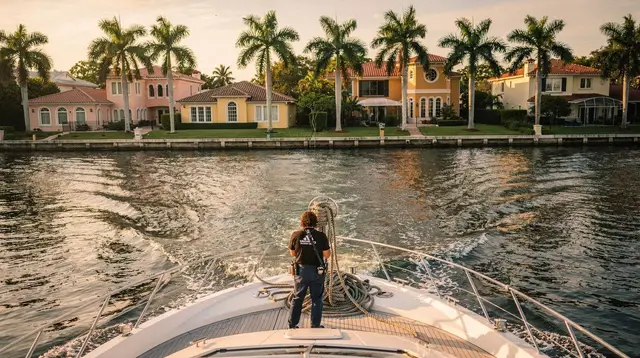
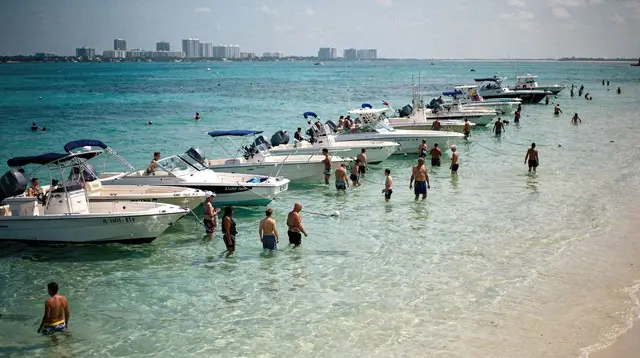
On the water, calmer conditions and clearer skies make boat-based activities more predictable. A Miami boat tour or yacht charter is less likely to be cancelled or cut short by afternoon storms than the same trip booked in July or August. If a private outing on the water is the plan, a Miami yacht rental or a speedboat ride around Biscayne Bay both benefit from the season’s steadier weather window.
On land, walking tours through South Beach and its Art Deco Historic District, museum visits, and general sightseeing all run more comfortably without the wet season’s midday humidity and short, sharp downpours. A Miami city tour or the more compact 4-hour Miami city tour covers Downtown, Brickell and beyond without the stop-start of a summer storm.
It is worth being precise about geography here, since visitors often assume otherwise: Miami Beach is a separate city from Miami, sitting on a barrier island and reached from the mainland by a handful of causeways across Biscayne Bay, not a neighbourhood inside Miami itself. That split matters for planning a winter itinerary, since time spent crossing the causeways at peak season traffic is time not spent on the beach or downtown. Miami Beach versus Fort Lauderdale and where to stay in Miami both help work out how to split a trip between the mainland and the barrier islands before booking accommodation.
Day trips further afield hold up better too. Drives out to Key West along the Overseas Highway, or day excursions to Fort Lauderdale and Palm Beach, are less likely to run into the kind of sudden afternoon weather that can disrupt outdoor plans in the wetter months. See Key West day trip from Miami for how that particular drive works and how long it actually takes.
None of this means summer storms make Miami unworkable the rest of the year; it means the dry season removes one layer of unpredictability from outdoor plans, at the cost of higher prices and bigger crowds, covered next.
Winter beyond Miami: the Keys, the Bahamas and the coast to the north
The dry season’s calmer weather is not only a Miami and Everglades story. It changes the calculus for every excursion that leaves the city too, from the reef to the north coast to the open water beyond Florida altogether.
Along the Overseas Highway into the Florida Keys, calmer, drier conditions make the long drive itself more predictable, and clearer water tends to favour snorkelling and diving trips around Key Largo, Islamorada and Marathon compared with the runoff-heavy wet season. For the reef side of that trip, see Key Largo snorkeling and diving and Key West snorkeling and diving; for the drive itself, driving the Overseas Highway to Key West covers what the route actually involves.
North of the city, Fort Lauderdale and Palm Beach run through the same seasonal trade-off as Miami: sunnier, steadier weather set against the year’s highest prices and busiest calendar. Fort Lauderdale day trip from Miami and Palm Beach day trip from Miami both work comfortably in the dry season, since neither depends on the flooding-sensitive terrain that shapes an Everglades visit.
A Bahamas day trip from Miami is a different kind of excursion altogether: a fast ferry or cruise crossing to Bimini or Grand Bahama that leaves the United States and enters another country for the day. Winter’s calmer seas make that crossing more comfortable, but the entry paperwork does not change with the season. Travellers from Visa Waiver Program countries still need an approved ESTA, arranged only through the official esta.cbp.dhs.gov site, and everyone needs a passport for the trip regardless of how short it is. ESTA and entry rules for Miami sets out what that actually involves before booking a Bahamas crossing alongside a winter Miami trip.
The trade-off: crowds and the year’s highest prices
Good weather and Everglades wildlife are the upside. The downside is that everyone else knows about the good weather too.
Winter is Miami’s peak tourist season, and hotel rates, tour prices and flight fares all climb to their highest point of the year. This is compounded by taxes and fees that apply on top of any advertised room rate; see Miami tipping, taxes and resort fees for what typically gets added at checkout, since a “final” price is rarely final. The same logic applies to tours: excursion prices should always be checked on the operator’s own GetYourGuide or Viator listing for the day’s actual rate, not assumed from an earlier trip or a friend’s receipt.
Crowding shows up in practical ways: popular restaurants need reservations further ahead, well-known beaches and boardwalks feel busier in the mid-afternoon, and in-demand tours, including Everglades airboat rides and boat charters, can sell out days or weeks in advance around the December holidays and February half-term windows. Booking accommodation and any must-do excursion well ahead of arrival is the single most useful piece of planning advice for this season. For a sense of how many days different itineraries need to work with, how many days in Miami and where to stay in Miami both help frame the trip before prices get locked in.
None of this is a reason to avoid winter. It is a reason to book earlier than feels necessary and to expect the year’s highest bill for a similar itinerary.
Winter is not hurricane season - and that matters
It is worth stating plainly, because the two get conflated by travellers planning around Florida’s reputation for storms: the dry winter season and the Atlantic hurricane season do not overlap. Hurricane season runs from 1 June to 30 November, with its own risk concentrated from August through October. The months this guide covers, roughly November through April, sit entirely outside that window.
That does not mean winter weather is risk-free in every sense; cold fronts occasionally push through and can bring a day or two of wind and rain, and the season’s driest, sunniest stretches are not guaranteed on any single date. But the storm risk that shapes summer and autumn planning, covered separately in the Miami hurricane season guide, simply is not a winter concern in the same way.
Planning a winter trip: booking, timing, what to skip
A few practical adjustments make the season easier to plan around.
Book earlier than usual. Accommodation, popular restaurants and in-demand tours, especially Everglades excursions and boat charters, move faster in winter than in the wet season. Waiting until arrival to book a well-reviewed operator is a common way to end up with the least convenient time slot, or nothing at all.
Expect the year’s highest prices, not a bargain. Anyone arriving with wet-season pricing in mind, from a previous summer trip or from general assumptions about Florida, should recalibrate: winter is priced as peak season across hotels, flights and tours alike.
Prioritise the Everglades if wildlife-watching matters to you. This is genuinely the best window in the calendar for it, and it is not a claim that holds equally in the wet season.
Do not skip sun protection because it “feels cooler.” Days are still generally warm and sunny through the dry season, and UV exposure does not disappear just because humidity has dropped.
Layer for evenings. Winter evenings in Miami can feel noticeably cooler than the daytime, more so than many visitors expect from a subtropical destination, so a light layer is worth packing even on a beach-focused trip.
Budget for tax and tipping on top of the advertised price. Miami-Dade County adds a 7% sales tax to purchases, and restaurant tipping of 18 to 20% is the standard expectation rather than optional generosity, on top of any resort fees a hotel adds separately.
Sort entry paperwork before the holiday booking rush. Travellers from Visa Waiver Program countries need an approved ESTA, arranged only through the official esta.cbp.dhs.gov site, well before departure; it is a travel authorisation, not a visa. Travellers from other countries need a B-2 visa instead, which takes longer to arrange and is worth starting early given winter’s tighter flight and appointment availability.
The table below summarises the core contrast with the wet season at a glance.
| Dry season (roughly Nov-Apr) | Wet season (roughly May-Oct) | |
|---|---|---|
| Weather pattern | Sunnier, lower humidity, calmer seas | Hot, humid, frequent afternoon storms |
| Everglades wildlife-watching | Best window: wildlife concentrates around shrinking water | Wildlife more dispersed across flooded terrain |
| Mosquitoes | Noticeably fewer | Much more numerous |
| Hurricane risk | Outside hurricane season | Within hurricane season (1 Jun - 30 Nov, peak Aug-Oct) |
| Prices (hotels, tours, flights) | Highest point of the year | Lower, off-peak pricing |
| Crowds | Busier, book ahead | Quieter, more flexibility |
For a season-by-season itinerary that leans into this dry-season strength, five days in Miami and the Everglades pairs city time with the wildlife-watching window covered above.
Miami’s dry season: your questions answered
When is Miami’s dry season?
Roughly from November to April. Sunshine and lower humidity dominate through this stretch, in contrast with the hot, storm-prone wet season from about May to October.
Why is the dry season the best time for the Everglades?
Water levels drop through the dry months, which concentrates fish, wading birds, alligators and other wildlife around the remaining pools. Mosquito numbers also fall sharply compared with the wet season, making walks and airboat rides more comfortable.
Is Miami more expensive in winter?
Yes. Dry season is Miami’s high season for tourism, and hotel rates, flight fares and tour prices sit at their highest point of the year, especially around the December and February holiday windows.
Is winter also hurricane season in Miami?
No. The Atlantic hurricane season runs from 1 June to 30 November, so the dry winter months fall outside of it. Hurricane risk belongs to the wet-season guide, not this one.
Is Miami crowded in winter?
Beaches, popular restaurants and well-known tours see more visitors than in the off-season, and this is when advance booking matters most for accommodation and for in-demand excursions.
What should I pack for a winter trip to Miami?
Light layers still work: days are generally warm and sunny, evenings can feel cooler than visitors expect, and sun protection remains necessary even in the cooler months.
Seasonal guides for visiting Miami year-round
Verified deep-linked GetYourGuide tours. Book through these links and we earn a small commission at no cost to you.
GetYourGuide does not provide a product photo for this activity — the image shows the meeting point, photographed by us.