Food and drink tours in Miami: Little Havana, Wynwood and the Design District
Where should I go for a food and drink tour in Miami city?
Little Havana, around Calle Ocho, is the core of Miami's food-tour scene, with Cuban coffee windows, cigar rollers and family-run kitchens. Wynwood and the Design District add a more urban, gallery-district tasting circuit. Both are on the mainland side of Biscayne Bay, a different setting from the beach tours over in Miami Beach.
Where the food tours actually happen: Little Havana, not the beach
Miami’s most useful food and drink tours sit on the mainland, not on the sand. The two neighbourhoods that carry this scene are Little Havana, built around Calle Ocho, and Wynwood and the Design District, a newer, more design-driven circuit a few miles north. Both are part of Miami city, on the continent side of Biscayne Bay — a useful correction, since a lot of first-time visitors assume “Miami food” means beachfront restaurants along the water. It mostly doesn’t. The strongest tastings are inland, in kitchens and cafés that have nothing to do with a beach view.
Both neighbourhoods are also easy to reach without a rental car. Downtown’s Metromover is free, and Metrorail and the trolley network extend into the wider mainland grid — see getting around Miami: Metromover, Metrorail and trolleys if the plan is to skip driving and parking for the day. Rideshare is the more common way visitors actually cover the short hop between Little Havana and Wynwood, since neither neighbourhood sits directly on the rail network.
This page covers tours where the point is to taste, not to cook or perform. If the description mentions rolling your own tamales, a salsa lesson or a hands-on cocktail class, that is a different kind of experience — see Miami workshops and classes for that. And if the tour is set along Ocean Drive, the Art Deco Historic District or Lincoln Road, that is South Beach food and drink tours, which belongs to Miami Beach — a separate city, on a barrier island, reached by causeway. Neither mistake is trivial: they are different neighbourhoods, different walking distances and, in the case of Miami Beach, a different municipality altogether.
Little Havana: Cuban coffee, Calle Ocho and cigar rollers
Little Havana grew out of Cuban exile communities from the 1960s onward, and the food reflects that: ventanitas (walk-up coffee windows) serving cafecito and colada, croquetas, pastelitos, and lechón at family-run counters. A typical walking tour covers half a mile to a mile (roughly 1 to 1.5 km) of Calle Ocho and its side streets, with four to six tasting stops over two to three hours.
Expect stops that might include:
| Stop type | What it usually covers | Typical pace |
|---|---|---|
| Cuban coffee window | Cafecito, colada, a short history of the ventanita tradition | 10-15 min |
| Cigar shop | Watching a roller work, sometimes a small tasting of a cured leaf | 15-20 min |
| Bakery or panadería | Pastelitos, Cuban bread, guava pastries | 15 min |
| Sit-down café or restaurant | A heavier plate — croquetas, a stew, or a sandwich | 20-30 min |
| Domino Park area | Context on the neighbourhood, not usually a tasting stop itself | 10 min |
A street-food walking tour with a local guide threads several of these together in one outing.
a guided walking tour through Little Havana’s street food stops, cafés and Calle Ocho landmarksFor a narrower, single-stop option focused on the cigar side of the neighbourhood rather than a full food circuit:
a visit to a working cigar factory in Little Havana to watch rollers and learn the processIf cigars, coffee and Cuban food history are the main draw, pair the two: a short factory visit before or after a food walk covers most of what the neighbourhood offers in an afternoon. For the wider list of everything else to do here, things to do in Little Havana covers museums, live music and shopping alongside the food.
For a page focused specifically on this neighbourhood’s food scene rather than the whole of Miami’s, Little Havana food tours goes deeper into the ventanita circuit and the sit-down restaurants that don’t always make it onto a walking-tour route. Dietary restrictions are worth flagging to the operator before booking rather than on the day: most stops are small, family-run counters rather than restaurants with a printed allergen menu, and a vegetarian or gluten-free substitution is easier to arrange in advance than mid-tour. None of the tastings on a typical route are pescatarian- or vegan-only by default, since Cuban cooking leans heavily on pork and lard, so anyone with strict dietary needs should ask directly what a given stop actually serves.
Wynwood and the Design District: a different register
A few miles north, Wynwood and the Design District run a different kind of tasting circuit — food halls, chef-driven counters, coffee roasters and the occasional distillery, set against street art and gallery storefronts rather than 1920s Cuban store-fronts. It is not a replacement for Little Havana; it is a separate, complementary neighbourhood with its own food identity, more aligned with Miami’s contemporary dining scene than with the exile-community food of Calle Ocho.
A distillery tour is one of the more distinctive options in this part of town:
a guided tour of a Miami distillery near the Design District, with tastings includedBecause Wynwood is also known for its murals, many visitors combine a food stop with the Wynwood street art tours rather than treating the two as separate outings — the neighbourhood is compact enough to do both in one visit.
Wynwood also has a handful of food halls with multiple counters under one roof, which suit a group that can’t agree on one cuisine — useful if a guided tour isn’t the plan and the goal is simply to graze on your own schedule. That kind of self-directed grazing sits alongside the area’s other attractions; things to do in Wynwood and the Design District covers the galleries and shopping that usually get folded into the same afternoon.
A smaller, seated tasting experience also runs in this part of the city, built around a single ingredient rather than a walking route — a different format from the tours above, and worth considering as an alternative for a couple or a small group who would rather sit for an hour than walk for three.
What this is not: workshops, and Miami Beach
Two comparisons are worth stating plainly, because the names of tours in this category are easy to confuse.
Miami workshops and classes cover the same neighbourhoods — Little Havana, Wynwood, the Design District — but the activity is different: rolling your own cigar, taking a salsa class, a hands-on cooking session. If the listing says you will make something rather than taste something, it belongs with Miami workshops and classes, not here.
South Beach food and drink tours cover Ocean Drive, Lincoln Road and the Art Deco Historic District — all in Miami Beach, a separate city on a barrier island connected to the mainland by causeways (MacArthur, Venetian, Julia Tuttle). The food culture there leans toward beachfront dining and nightlife-adjacent bars, a different register from Little Havana’s Cuban cafés or Wynwood’s food-hall scene. See South Beach food and drink tours if that is what you are actually after.
Further north again, Fort Lauderdale and Palm Beach run their own food and drink circuits, built around canals and, in Palm Beach’s case, a noticeably more upscale register — Worth Avenue rather than Calle Ocho. Those are day trips from Miami, not part of the city’s own food scene, and worth treating as a separate excursion rather than folding into a Miami-city food tour.
Cocktails without the beach-club scene
Not every drink-focused option here needs to be paired with a meal. A walking tour built around a couple of cocktail stops works as a lighter evening option, especially combined with an early Little Havana food walk:
a Miami walking tour with optional cocktail stops along the routeThis is a walking tour with drink stops folded in, not a bar crawl aimed at a party crowd — a useful distinction if the goal is a relaxed evening rather than a loud one. For the wider nightlife picture, including bars that are not tour-based, see things to do: food and drink tours.
Guided tour, private tour, or going it alone
Most of the tours above run as small groups with a single guide, which keeps the price down and works well for solo travellers or couples happy to fall in with strangers for a couple of hours. A private version of the same route costs more but sets its own pace, skips waiting on slower members of a group, and lets a family with young kids or a group with dietary restrictions steer the stops. Group tour vs private tour in Miami breaks down when the extra cost of a private booking is worth it and when it isn’t.
Going without a tour at all is also a real option in both neighbourhoods, since Calle Ocho and Wynwood’s food-hall strip are both walkable grids where a list of addresses does most of the work a guide would otherwise do. What a guide adds is context — the history behind a ventanita, an introduction at a counter that might otherwise ignore a walk-in, a handled reservation at a busy spot — plus not having to plan the order of stops. Miami on a budget has more on stretching a food-focused day without paying for a guided experience at every stop.
Prices, tax and tipping — the part tours don’t advertise upfront
Every price quoted on a booking page is before tax. Florida’s state sales tax is 6%, and Miami-Dade County adds a 1% surtax, for a combined 7% on top of the ticket price shown. That applies to food-tour bookings the same as anything else purchased in the county — see Miami sales tax and resort fees explained for the full breakdown, including how hotel taxes stack even higher.
Tipping is expected, not optional, on these tours: 18 to 20% is standard for the guide, and separately for any servers at sit-down stops along the route. How much to tip in Miami covers the specifics by service type. Because guides on food tours often work partly for tips, this is not a line item to skip.
As for the actual dollar figure of a given tour: this page won’t quote one, because listed prices move with season, group size and promotions. Check the current price on the GetYourGuide or Viator page linked above before booking, and factor in the 7% tax and the expected tip on top of whatever figure is shown. For a broader look at what things cost around the city beyond tours, Miami tipping, taxes and resort fees rounds it up in one place.
When to go
Little Havana and Wynwood are indoor-and-sidewalk experiences, so they hold up better than beach or boat activities during Miami’s wetter months. The rainy season runs roughly May to October, with short, heavy afternoon downpours rather than all-day rain — a food walk scheduled for morning or early evening usually avoids the worst of it. The drier season, roughly November to April, is more comfortable for walking outdoors for two to three hours, but it is also the highest-demand period, so book tastings a few days ahead rather than the same day.
The Atlantic hurricane season runs June 1 to November 30, peaking August to October. It does not rule out a food tour on any given date, but it is worth keeping bookings flexible and travel insurance in place if visiting during that window — see Miami hurricane season guide for what that actually means in practice.
Heat is more of a day-to-day factor than rain for a walking-based tour. A midsummer afternoon on Calle Ocho or in Wynwood is hot and humid enough that most operators schedule stops with shade or air-conditioned interiors along the route; Miami in summer covers what that heat actually feels like and how tours adapt to it. The winter months bring cooler, drier air that makes an outdoor walking tour far more comfortable, but also draw the heaviest crowds of the year, which is the main reason to book tastings ahead rather than same-day; Miami in winter has the fuller seasonal picture.
Fitting a food tour into a longer Miami trip
A single food and drink tour rarely needs more than half a day, which makes it easy to slot into almost any Miami itinerary rather than building a whole day around it. A short first-time visit can pair a Little Havana walk with a Downtown or Wynwood afternoon on the same day; see weekend in Miami for how that fits alongside the city’s other highlights. On a longer trip, four days in Miami has more room to spread a Little Havana tasting and a separate Wynwood food-hall visit across different days, rather than rushing both into one outing. Either way, treat the food tour as one component of a day that also includes a beach, a museum or a walking tour of the neighbourhood’s other attractions — not as a full day on its own.
Frequently asked questions about Miami food and drink tours
Is a Miami food tour the same as a Miami Beach food tour?
No. Tours built around Little Havana, Wynwood and the Design District run in Miami, on the mainland side of Biscayne Bay. Tours centred on Ocean Drive and the Art Deco Historic District run in Miami Beach, a separate city on a barrier island. The food, the streets and the walking distances differ.
Do I need to book in advance?
Small-group walking tours in Little Havana often sell out on weekend afternoons and around lunch, so booking a day or two ahead is safer than turning up. Check the current schedule and price on the GetYourGuide or Viator listing rather than assuming a fixed departure time.
Are these tours physically demanding?
Most are walking tours of roughly one to three miles (1.5 to 5 km) at a relaxed pace, with several stops to sit and eat. They are not workshops: nobody is expected to cook, dance or otherwise perform, which is what separates them from a hands-on class.
Is the food included, and is alcohol part of it?
Tastings at the stops on the route are usually included in the tour price; a full sit-down meal elsewhere generally is not. Some walking tours add a cocktail stop or two along Calle Ocho or in Wynwood, but this is not a bar crawl, and any alcohol is limited to what the itinerary states.
How much should I expect to tip, and is the sales tax already in the price?
Displayed prices are before Florida’s sales tax, which runs at 7% in Miami-Dade County. On top of that, a tip of 18 to 20% is expected for guides, servers and any crew involved, not folded into the ticket price shown online.
Can I combine a Little Havana food tour with the cigar factory or a Wynwood street art walk?
Yes, and many visitors do, since both neighbourhoods sit within a short rideshare of each other and of Downtown. A cigar-rolling stop pairs naturally with a Little Havana food walk, while a Wynwood tasting circuit pairs well with the street art tours next door.
Are these tours suitable for a first Miami visit, or better for a return trip?
They work well on a first visit as an introduction to Cuban Miami and to Wynwood’s newer food scene, since both are compact, walkable and easy to fit into a single afternoon or evening without a car.
Food, cigar and cocktail tasting tours in Miami
Verified deep-linked GetYourGuide tours. Book through these links and we earn a small commission at no cost to you.
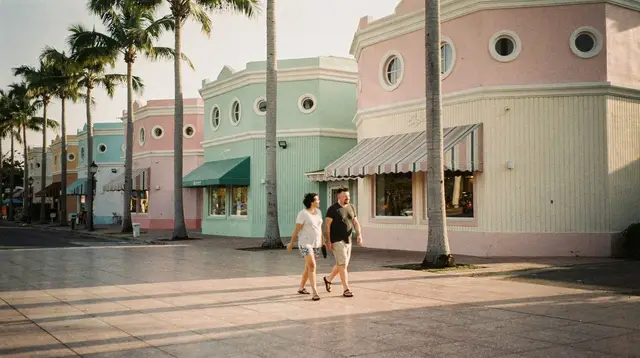
GetYourGuide does not provide a product photo for this activity — the image shows the meeting point, photographed by us.