Things to do in Marathon
What is there to do in Marathon, Florida?
Marathon is a stopover town roughly midway along the Overseas Highway, built around the Seven Mile Bridge and the Turtle Hospital, a working rehabilitation facility for injured sea turtles. Most visitors see it as a pause on the drive between Islamorada and Key West rather than a dedicated stop, with a couple of hours enough to cover its two landmarks plus a snorkel or sandbar outing on the water.
Marathon on the Overseas Highway
Marathon sits roughly at the midpoint of the Overseas Highway, the stretch of the US-1 that carries traffic from Key Largo down through Islamorada and on to Key West. It’s the kind of town most people pass through rather than plan a trip around, and that’s a fair way to treat it. Two landmarks give it a real identity — the Seven Mile Bridge and the Turtle Hospital — and beyond those, Marathon works better as a place to break up a long drive than as a destination in its own right.
This page keeps the scope narrow on purpose. The sport fishing and Theater of the Sea that fill out an Islamorada stop, the snorkeling and dive charters built around the living reef at Key Largo, and Duval Street with the sunset at Mallory Square in Key West all belong to those towns, not to Marathon, and none of it is repeated here. What follows is what Marathon itself offers, and an honest read on how much time it deserves.
The Seven Mile Bridge
The Seven Mile Bridge is the longest bridge on the Overseas Highway, spanning the open water between Marathon and the Lower Keys. Driving across it is one of the more memorable stretches of the whole route to Key West — open water on both sides, no islands in view for long minutes, and a straight run over the horizon. It’s worth slowing down for, within the limits of a live traffic lane, rather than treating it as just another causeway.
Alongside the current span runs a section of the original Seven Mile Bridge, built in the early twentieth century as part of Henry Flagler’s Overland Railroad and later converted for road use before the modern bridge replaced it. Part of that old bridge has been restored for pedestrians and cyclists, and it’s the closest Marathon comes to a standalone attraction: a walk or ride out over the water, framed by the newer bridge running parallel. There’s no entrance fee and no set hours beyond daylight and basic safety closures, which makes it an easy stop to fit around a longer day rather than something that needs its own reservation.
What it isn’t is a swimming spot or a boat launch — currents under the bridge are strong, and it’s a crossing to see and walk, not a place to get in the water.
The Turtle Hospital
The Turtle Hospital is a working rehabilitation and research facility for injured and sick sea turtles, not a marine park built for entertainment. It treats turtles hurt by boat strikes, fishing gear, cold stress, and a tumour-causing virus called fibropapillomatosis, and visitors see the facility through a guided tour rather than open walk-through access.
Tours run on a set schedule through the day, cover the hospital’s tanks and recovery pools, and explain what’s being treated and why — this is closer to an educational visit than a photo-driven wildlife stop. There’s no swimming with the turtles and no guaranteed close contact; what’s on view depends on which animals are in care at the time. Because tours are scheduled and capacity is limited, booking ahead is the safer plan, especially in the November-to-April high season when Keys traffic and demand both rise.
Realistically, this is Marathon’s one attraction that rewards planning a specific arrival time around, rather than dropping in.
What Marathon looks like beyond its two landmarks
Outside the bridge and the hospital, Marathon is a working Keys town: marinas, bait shops, mid-range motels, and a stretch of the US-1 lined with restaurants and gas stations rather than a walkable historic core. It doesn’t have the density of restaurants and bars that Islamorada or Key West can offer, and it doesn’t have a beach comparable to what’s found further along the chain — much of its shoreline is rock, mangrove, or private marina frontage rather than open sand.
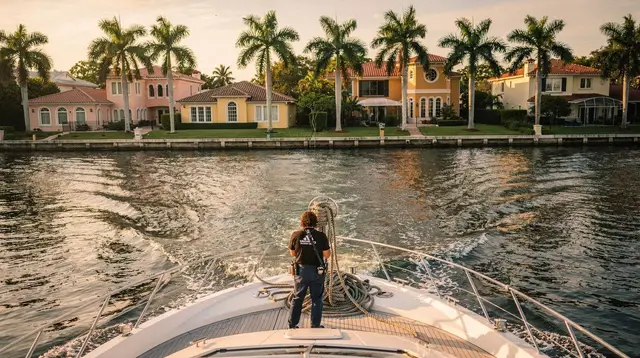
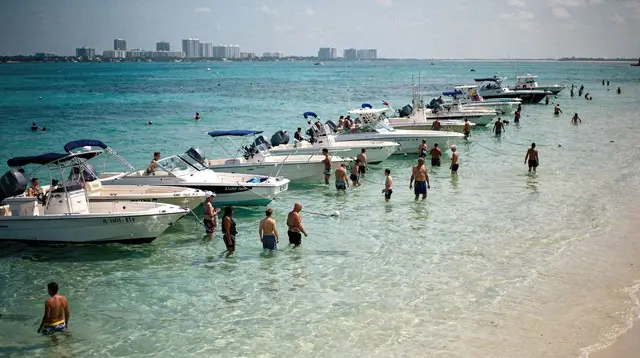
Where Marathon does deliver is water access for boats. Its harbours sit on both the bay side and the ocean side, which makes it a workable launch point for sandbar trips, inshore snorkeling, and tiki-boat style cruises that don’t require the deeper offshore runs that Key Largo charters often make toward the living reef. A short trip out from a Marathon marina can reach shallow sandbars and grass flats that are calm enough for a relaxed few hours on the water without committing to a full day.
For travellers who want to stay active without adding a full excursion day, Marathon also has operators running cable-park style kiteboarding and wakeboarding sessions on enclosed courses — a different, more structured kind of water time than open-water snorkeling.
| What | Time needed | Booking |
|---|---|---|
| Seven Mile Bridge (view or walk) | 20–45 minutes | None |
| Turtle Hospital guided tour | 1–1.5 hours | Recommended in advance |
| Sandbar or snorkel boat trip | 2–4 hours | Recommended in advance |
| Tiki-style harbour cruise | 1.5–2.5 hours | Recommended in advance |
| Cable kiteboarding/wakeboard session | 1–2 hours | Recommended in advance |
Prices for any of these vary by season and operator; check the current rate on the linked booking page rather than treating any figure here as fixed.
When to visit Marathon
Marathon follows the same two-season pattern as the rest of the Keys: a drier, sunnier stretch roughly from November through April that draws the heaviest snowbird traffic and the highest prices for lodging and tours, and a hotter, more humid stretch roughly from May through October with a greater chance of afternoon storms. The Atlantic hurricane season runs officially from June 1 through November 30, with the highest activity typically in August, September, and October — worth watching during a Keys drive in those months, since a storm passing well offshore can still disrupt Overseas Highway traffic and push boat operators to cancel trips for the day. The Miami hurricane season guide covers how that season affects trip planning more broadly, and best time to visit Miami lays out the same November-to-April versus May-to-October trade-off for the wider region.
Because Marathon’s draws are its two landmarks and its boat trips rather than a beach scene, the town doesn’t swing on season quite as hard as somewhere built around sand and sun. The Seven Mile Bridge and the Turtle Hospital both run year-round on the same basic terms, and sandbar or snorkel trips go out in both seasons weather permitting. The real trade-off is booking further ahead and paying more in the winter high season, against a better chance of finding a same-day tour slot — at the cost of more afternoon storm risk — in the quieter summer months.
Booking a stop in Marathon
For travellers who want to combine the drive-through with time on the water, a short boat trip is the most efficient way to add real content to a Marathon stop rather than just crossing the bridge and moving on. A snorkel and sandbar outing departing from a Marathon marina covers a few hours in shallow, calm water without the longer offshore run some Key Largo reef trips involve.
For something lower-key, a tiki-boat style harbour cruise around Marathon’s waterways works as an easy couple of hours on the water, day or evening, without snorkeling gear or a swim stop required.
Travellers who’d rather stay on a fixed course than swim in open water can book a private cable kiteboarding session on Marathon’s enclosed course, a structured alternative to boat-based water time that doesn’t depend on wind or open-water conditions in the same way a beach kiteboarding lesson would.
None of these need a full day set aside — each fits inside a stop that still leaves time to reach Key West or double back to Islamorada before evening.
Travellers who’d rather snorkel a living reef than Marathon’s calmer flats and grass beds can hold off and book a Key Largo snorkeling trip instead: Marathon’s sandbar outings suit shallow, protected water close to the marina, while Key Largo’s reef trips are the better match for anyone specifically after coral, structure, and deeper visibility. It’s a reasonable substitution to make while planning rather than a reason to add a second water outing to the same drive.
Fitting Marathon into the drive
Marathon’s real role on a Keys trip is as a midpoint, not an endpoint. Coming from Key Largo or Islamorada, it’s the next town south along the US-1 before the road continues toward Key West; continuing past Marathon means staying on the same highway southwest, with no separate turn-off or detour required. The socle for this site doesn’t fix a distance or drive time specific to the Key Largo–Marathon or Marathon–Key West legs, so this page doesn’t invent one — check current conditions and a mapping app before setting an arrival time, since traffic on the Overseas Highway can add significantly to any estimate, especially during snowbird season.
Because the Overseas Highway is the only road south of Florida City, and it ends at Key West with no continuation beyond it, a Marathon stop works equally well as a southbound pause or as a break on the return drive north. For travellers planning the whole run from Miami to Key West, see driving the Overseas Highway to Key West and the wider comparison of driving versus a bus tour to Key West for how a Marathon stop changes the overall plan.
Where to stay overnight is worth thinking through before committing to Marathon as a base: it has motels and marina-adjacent lodging, but travellers weighing Marathon against the alternatives should read Key West versus Key Largo for a day trip for a sense of what each end of the Keys offers that a midpoint stop doesn’t.
What to skip if time is short
If the goal is reaching Key West and time is tight, the Seven Mile Bridge view can be taken in from the car or a two-minute pull-off rather than a dedicated walk, and the Turtle Hospital — while worthwhile — can reasonably be skipped in favour of pressing on, since it’s the one stop here that needs a scheduled slot rather than a passing look. A boat or sandbar trip is the piece most worth protecting time for if there’s any flexibility in the schedule, since it’s the only Marathon activity that gets travellers onto the water rather than just past it.
What doesn’t belong on a Marathon stop is an expectation of guaranteed wildlife sightings, a beach day, or a Duval-Street-style night out — all three exist elsewhere in the Keys, not here.
Marathon and the wider Keys plan
Marathon rarely anchors a trip on its own; it’s usually one stop within a longer Florida Keys itinerary that also takes in Key Largo and Key West, and sometimes Islamorada as well. For a full run covering snorkeling and diving across the chain rather than a single town, see the Florida Keys snorkeling and diving week itinerary, or the more compact Miami to Key West road trip for a shorter version that still touches Marathon along the way.
For the two endpoints Marathon sits between, see things to do in Islamorada for the sport-fishing and family-attraction side of the Upper Keys, and things to do in Key West for the historic town at the end of the highway. If the trip is being planned as a single long day from Miami rather than an overnight stay, Key West day trip from Miami lays out what that drive actually involves in both directions.
Frequently asked questions about visiting Marathon
Is Marathon worth stopping for on the drive to Key West?
For most drivers, yes as a pause rather than a destination. The Seven Mile Bridge view and an hour at the Turtle Hospital cover the town’s two distinct landmarks; beyond that, Marathon doesn’t hold the concentration of sights that Key Largo or Key West does.
How long does it take to see Marathon?
Budget one to two hours for the Turtle Hospital tour (it runs on a fixed schedule and requires advance booking) plus a short stop to view or photograph the Seven Mile Bridge. A half-day works if a boat or snorkel trip is added.
What is the Seven Mile Bridge?
It’s the longest bridge on the Overseas Highway, connecting Marathon to the Lower Keys, with a shorter historic span running alongside the modern one that’s been partly restored for pedestrians and cyclists. It’s a landmark to see and cross, not an attraction with an entrance fee.
Do you need to book the Turtle Hospital in advance?
Booking ahead is recommended. Visits run as guided tours on a set schedule rather than open walk-through access, and tours can sell out, particularly in the winter high season.
Can you swim with turtles at the Turtle Hospital?
No. It’s a rehabilitation and research facility for injured and sick sea turtles, not a swim-with-wildlife attraction. Encounters are viewing only, from set points on the guided tour.
Is Marathon a good base for exploring the Florida Keys?
It can work for travellers who want a midpoint between Key Largo and Key West, but Islamorada and Key West both offer more restaurants, activities, and evening options. Marathon suits a traveller prioritising quiet over choice.
What’s the best way to see the water around Marathon?
Sandbar and snorkel trips departing from Marathon marinas are the practical option, since the inshore flats and nearby reef aren’t accessible on foot. Boat and water-sports operators run from the town’s harbours on both the bay and ocean sides.
Trip planning guides for Miami and the Keys
Verified deep-linked GetYourGuide tours. Book through these links and we earn a small commission at no cost to you.
GetYourGuide does not provide a product photo for this activity — the image shows the meeting point, photographed by us.