Sargassum and seaweed on Miami beaches
I want to be upfront about something before you plan a beach day around South Beach: the sand is not always postcard-clean. Some days it is. Other days there is a band of brown, slightly slimy seaweed sitting at the waterline, and once it has been sitting in the sun for a few hours, it smells. This is not a scandal and it is not unique to Miami. It is just something worth knowing before you book a hotel room two blocks from the water and picture yourself walking straight onto perfect sand every morning.
What actually washes up
Most of what you see is sargassum, a brown, branching seaweed that floats in mats out in the Atlantic and occasionally drifts in and settles on the shore. It is not the only thing that turns up — you will also see thinner strands of green or dark seaweed, along with the odd bit of seagrass — but sargassum is the one people usually mean when they complain about “the seaweed” on Miami Beach.
None of this is dangerous to look at or step near. It is not toxic, it does not sting, and it is not the same conversation as jellyfish or rip currents, which is a separate physical-safety topic covered on our jellyfish and rip currents page. What I am talking about here is comfort and appearance: how the beach looks in your photos, what it feels like under bare feet, and whether you want to lay a towel down right at the edge of a seaweed line.
Sand, texture, and smell
Fresh sargassum, still wet and recently washed in, is mostly just an inconvenience — a slightly slippery mat you step around on your way to the water. The real issue is older sargassum that has been sitting on dry sand for a while. As it dries out and starts to break down in the sun, it gives off a smell that people usually describe as sulphur-like, close to rotten eggs. It is not subtle once you are standing right on top of it.
The good news is that this smell tends to be localized. It sits right along the wrack line — the strip where the last high tide left its debris — rather than filling the whole beach. Walk 20 or 30 feet back from the water, or a few blocks up or down South Beach, and it is common to find sand that looks and smells completely different. I have had beach days in Miami where one access point looked rough and the next one, five minutes’ walk away, was fine.
There is no calendar for this, and I am not going to invent one
I want to be honest about the limits of what I can tell you. I do not have a reliable month-by-month pattern for when sargassum shows up on Miami beaches, and I am not going to make one up just to give you a tidy answer. It varies by beach, it varies by year, and even within a single visit it can be worse on one block than the next. Anyone who tells you with confidence “it’s always bad in [insert month]” or “it never happens in [insert month]” is guessing.
What I can tell you is to check conditions close to your actual travel dates rather than planning around a season you read about somewhere. A quick search for current beach conditions, or a look at recent photos and reviews for the specific stretch you are considering, will tell you more than any general seasonal claim. If you are staying at a hotel directly on the sand, ask at check-in — front desk staff usually know what that week has looked like on their own stretch of beach far better than any generic guide can.
What raking and cleanup actually cover
Some sections of beach get raked or cleared, either by the city or by individual hotels maintaining the sand directly in front of their property. This can make a real difference on a given morning. But it is not universal, it is not guaranteed at every beach access point, and it is not something I can promise will have happened before you get there on any specific day. Do not build your expectations around a clean, raked beach — treat it as a possibility, not a given.
If the beach isn’t cooperating that day
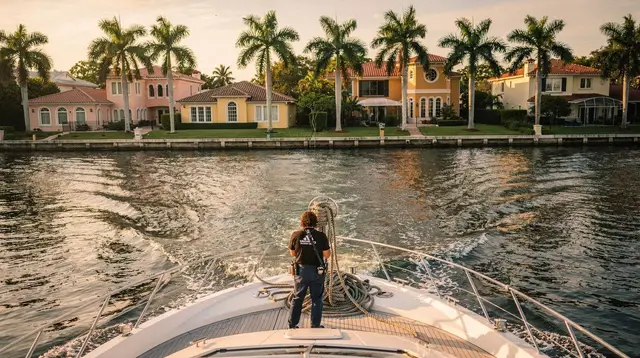
If you walk down to the sand and it is not what you hoped for, you do not have to write off the whole day. A boat tour or yacht charter gets you out onto open water, away from any sand issue entirely, and it works regardless of what that morning’s beach conditions look like.
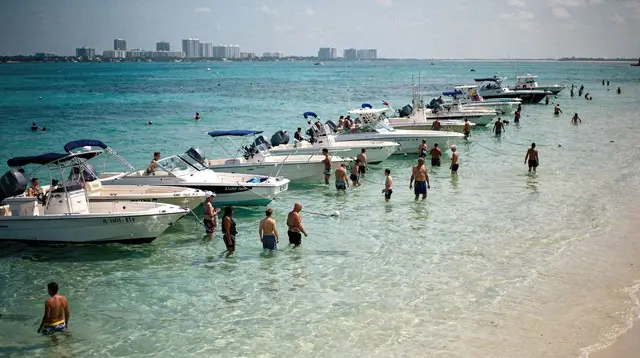
a private yacht rental out of Miami for the day is one way to swap a patchy beach for open water and your own swim spot. If you would rather move fast and cover more of the bay, a speedboat ride around Biscayne Bay is a shorter, punchier alternative. And if you want a full day out with a swim stop built in, a private sandbar tour out to Raccoon Island gets you standing in clear, shallow water well away from any beach you were disappointed by that morning.
None of this means you should skip Miami’s beaches. South Beach and the wider stretch of things to do in South Beach are still worth your time on most visits — I just do not think a guide should promise you sand that is guaranteed spotless every single day, because that is not something anyone can honestly promise. For a wider comparison of beach options around the region, our page on the best beaches in Miami and South Florida is a useful next stop, and if you are still deciding when to come at all, best time to visit Miami covers the broader seasonal trade-offs, including hurricane season, which is a separate consideration from beach sand.
Sargassum and seaweed: your questions answered
Is sargassum dangerous to swim in?
This page is about the look, smell, and comfort of a seaweed-covered beach, not marine safety. Currents and marine life are a separate topic covered on our jellyfish and rip currents page.
Which Miami beach is worst for seaweed?
It varies by beach and by year, and it can differ from one end of the same beach to the other. There is no single beach that is always clear or always affected, so check conditions for the specific stretch you plan to visit.
Why does the beach smell near the seaweed line?
Sargassum and other seaweed give off a sulphur-like smell as they dry and decompose in the sun, especially where it has piled up for a while. The smell is usually strongest right at the wrack line, not across the whole beach.
Do hotels or the city clean up seaweed?
Some stretches are raked or cleared by the city or by hotels in front of their own property, but this is not guaranteed everywhere or at every visit. Do not assume a beach will be raked clean before you arrive.
Can I avoid seaweed by choosing a different month?
There is no reliable calendar for when seaweed will or will not appear on Miami beaches, so picking a month is not a dependable strategy. Checking recent conditions closer to your trip is more useful than planning around a season.
Is South Beach still worth visiting if there is seaweed?
South Beach is a large stretch of sand, and seaweed is rarely spread evenly across all of it. Walking a few blocks in either direction, or checking the sand before laying out a towel, usually finds a cleaner patch.
Are there beach alternatives if the sand looks bad that day?
Yes. A boat trip out onto Biscayne Bay is a straightforward way to spend a day on the water without depending on how the sand looks that morning. Worth remembering too: whatever prices you see for boat trips or beach services are typically shown before local tax and tipping, so budget a bit above the sticker figure — and pack accordingly, see our what to pack for Miami guide, and avoid the common travel mistakes people make when they assume the beach will look exactly like the brochure photo, and consider an Everglades airboat outing or the Everglades airboat ride and show as a completely different kind of day out if you want to skip the coast altogether for a few hours.
tours.Practical
Verified deep-linked GetYourGuide tours. Book through these links and we earn a small commission at no cost to you.
GetYourGuide does not provide a product photo for this activity — the image shows the meeting point, photographed by us.