Things to do in South Beach: Ocean Drive, Art Deco and the beach
What are the best things to do in South Beach?
South Beach's core sights are its free public beach, the Art Deco Historic District along Ocean Drive, and Lincoln Road for shopping and food. Most visitors combine a morning at the beach with an afternoon walk through the Art Deco streets, then choose one boat, bike or jet ski excursion rather than trying to do everything.
South Beach is a neighbourhood of Miami Beach, not of Miami
The single most common mix-up on this site is worth clearing up before anything else: Miami Beach is its own city, separate from Miami, sitting on a barrier island across Biscayne Bay. South Beach is the southern end of that island, reached from the mainland by causeways such as the MacArthur, Venetian and Julia Tuttle. Downtown, Brickell and Little Havana are on the mainland side, in Miami proper, and none of what follows applies to them. If a plan mentions walking from a Downtown hotel to Ocean Drive, that plan needs a car, a bus or a rideshare, because there is water in between.
Within Miami Beach itself, South Beach is the southern third of the island, roughly from 5th Street up to about 23rd Street. North of that, North Beach and Mid-Beach are calmer, with wider stretches of sand and fewer bars, and they get their own coverage elsewhere. Key Biscayne, reached from the mainland by the Rickenbacker Causeway rather than from South Beach, is where the nature and quiet-park side of the area lives, at Crandon Park and the lighthouse at Bill Baggs Cape Florida State Park. If the goal is snorkeling, a state park or a lighthouse, Key Biscayne is the better page to be reading.
Ocean Drive and the Art Deco Historic District
Ocean Drive runs along the eastern edge of South Beach, facing Lummus Park and the beach itself, and it is the street most people picture when they hear “South Beach.” The buildings lining it, and the surrounding blocks of Collins Avenue and Washington Avenue, make up the Art Deco Historic District, a stretch of hotels and apartment buildings put up mostly between the 1920s and 1940s. The style here favours rounded corners, porthole windows, vertical neon lettering and pastel paint jobs in mint, coral and pale blue, and the concentration of surviving buildings is dense enough that the district is listed on the National Register of Historic Places.
Walking Ocean Drive costs nothing, and a self-guided pass with a phone camera covers the highlights in under an hour. For a deeper read on why the buildings look the way they do, and which blocks have the best-preserved examples, see the Art Deco district guide or the longer piece on how the style took hold in Miami. Guided walking tours exist and add historical context a solo walk misses, but they are an optional add-on rather than the only way to see the street.
By day, Ocean Drive is mostly outdoor cafe seating and photo stops. After dark it turns into the loudest stretch of South Beach: competing sound systems from open-air bars, staff standing in the street trying to pull diners in, and menus priced with that foot traffic in mind. None of this makes it a must-see or a hidden gem — it is simply the most concentrated, most touristy block on the island, worth walking once for the architecture and the atmosphere, without expecting the food on the block itself to be the best value in the area.
A few practical habits keep an Ocean Drive stop enjoyable rather than draining. Sticking to a coffee or a single drink at a sidewalk table rather than a full meal is one way to sample the street without paying its highest prices, and checking a posted menu before sitting down avoids the surprise of a service charge added on top of tax. Visitors weighing whether to stay in South Beach at all, versus basing themselves on the mainland closer to Downtown or Brickell, will find that trade-off laid out directly in the South Beach vs Brickell guide, and the broader list of avoidable missteps — overpaying for a rental car, misjudging causeway traffic, booking the wrong day for a boat trip — is collected in the Miami travel mistakes guide.
Lincoln Road
A few blocks north and inland from Ocean Drive, Lincoln Road is a pedestrian-only shopping street lined with international retailers, sidewalk restaurants and the occasional street performer. It reads calmer and less frantic than Ocean Drive, and it tends to work better for an actual sit-down meal rather than a stop purely for the view. Storefronts turn over often, so any specific shop or restaurant recommendation ages quickly; treat Lincoln Road as a place to browse rather than a fixed checklist.
Lincoln Road also works as a meeting point before or after a booked activity, since it sits roughly midway between the beach and the causeways back to the mainland, and its shops keep later hours than many of Ocean Drive’s kitchens. Visitors building a short trip around South Beach rather than treating it as a single stop can slot a Lincoln Road evening into a weekend in Miami itinerary alongside a beach morning and one paid excursion, without needing a car for any of it.
Lummus Park and the beach
Lummus Park is the strip of green space and dunes separating Ocean Drive from the sand, and it is where most of South Beach’s beach access sits. The beach itself is public and free — Miami-Dade’s beaches are open to anyone, with no gate and no entry fee. What costs money is the infrastructure around it: chair and umbrella rentals, cabana service at hotel-adjacent stretches, and water sports equipment. Lifeguard stands mark the swimming areas and post flag warnings for rip currents and jellyfish; those flags are worth checking before swimming, particularly outside the calmer winter months.
The beach here is walkable and social rather than a quiet nature setting — for a beach outing with fewer people and no bar noise, North Beach or Key Biscayne suit that brief better than South Beach does.
Ocean conditions change through the year rather than staying constant, and it is worth checking them rather than assuming every day is calm. Rip current risk rises with wind and swell, jellyfish are more common at certain times of year, and some summers bring floating mats of sargassum seaweed onto the sand that make swimming less pleasant even though the beach itself stays open. The rip currents and jellyfish guide and the sargassum guide cover what the warning flags mean and what to do when seaweed shows up, rather than relying on guesswork on the day.
Sorting through 117 bookable tours
There are 117 bookable excursions tagged to this stretch of coastline on GetYourGuide and Viator combined, covering everything from architecture walks to jet skis to sunset boat charters, and no visitor needs all of them. Prices for anything on the water move with fuel costs, season and group size, so treat every figure below as a starting range and check the current price on the operator’s page before booking.
| Type of activity | Typical starting price (USD) | Typical duration |
|---|---|---|
| Bike or walking tour of South Beach | $30-$50 | 2-3 hours |
| Jet ski rental or guided ride | $90-$150 | 1 hour |
| Small group boat or jetcar tour | $60-$100 | 1-2 hours |
| Glass-bottom or snorkel yacht charter | $100-$180 | 3-4 hours |
| Private plane or helicopter flight | $150-$300+ | 20-30 minutes |
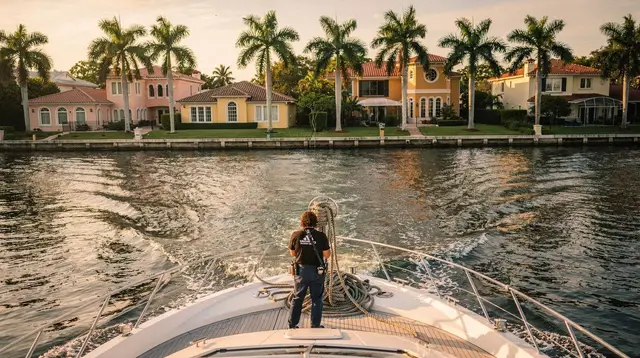
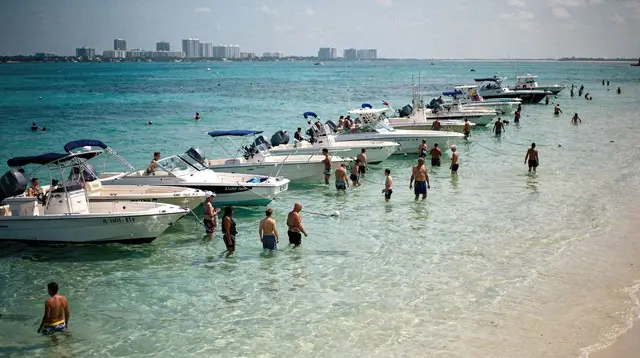
A bike tour is the easiest way to cover the Art Deco district and the beachfront in one outing without renting a car or relying on rideshare between stops: a guided bike route through South Beach’s Art Deco streets and along the beachfront covers both in a couple of hours. For a faster-paced outing on the water, a jetcar ride paired with a boat tour off Miami Beach combines speed with a look at the skyline from the bay. Independent jet skiing is also widely available: a jet ski outing that includes a complimentary boat ride is one of the more common formats sold along this stretch of coast.
For a longer, calmer option away from Ocean Drive’s crowds, a snorkel-focused charter such as the glass-bottom yacht tours works better for people who want to spend an afternoon on the water rather than an hour of adrenaline; full details and current pricing sit on the operator listing rather than repeated here. This private four-hour glass-bottom yacht and snorkel charter is the format most often booked for that slower-paced afternoon on the water off Miami Beach.
Full category breakdowns, including boat tours and cruises, jet ski and water sports options, and bike and Segway tours, are covered in their own pages if a specific activity type is the priority rather than a general first visit.
Museums and indoor options
South Beach is not only outdoor activity. A short list of museums and attractions sits within walking distance of Ocean Drive and Lincoln Road, useful on a rainy afternoon or during the hottest part of the day; see the South Beach museums and attractions guide for what is actually worth the ticket price versus what is a quick photo stop.
Food and nightlife
South Beach’s restaurant scene ranges from the tourist-priced blocks of Ocean Drive to genuinely good kitchens a street or two inland, and the difference in both price and quality can be significant for the same walk of five minutes. The South Beach food and drink tours guide covers guided tasting options; for beach clubs and pool-day-pass venues, which are a distinct product from a standard restaurant reservation and usually require booking ahead in season, see the beach clubs and pool day passes guide.
Nightlife here runs later and louder than most of the rest of Miami-Dade, concentrated on Ocean Drive and Washington Avenue, with a distinct scene on Lincoln Road that skews toward dinner and drinks rather than clubs. Miami Beach also enforces its own resort taxes on top of Florida’s state sales tax and the county surtax, so a hotel bill or a bottle-service tab will run higher than the sticker price; see the tipping, taxes and resort fees guide for what that adds up to in practice, and confirm whether a restaurant has already added a service charge before tipping again on top.
Practical basics for a South Beach day
South Beach runs on the same practical rules as the rest of Florida, and a few of them catch first-time visitors off guard. Prices on menus and rental boards are almost always shown before tax — Miami-Dade County adds a 7% sales tax at the register, and Miami Beach layers its own resort-style charges on top in many restaurants and hotels, which is why a bill can land noticeably higher than the number on the sign or menu. Tipping is expected rather than optional: 18-20% at a sit-down restaurant is the norm, on top of tax, and it is worth checking whether a service charge has already been added before tipping again. The tipping and taxes guide breaks both down in more detail.
Visitors arriving from a Visa Waiver Program country need an approved ESTA before travel — an online travel authorization, not a visa — applied for only through the official esta.cbp.dhs.gov site; everyone else needs a B-2 visa. The entry rules guide covers the details. Traffic in Florida drives on the right, outlets are the standard US 120V type A/B, and the emergency number is 911. Tap water is safe to drink, and the legal drinking age is 21, checked at bars and liquor stores alike.
Getting to and around South Beach
From Miami International Airport, South Beach is roughly 8-10 miles (13-16 km) away, and the trip runs 25-45 minutes by car or rideshare depending on causeway traffic — longer during evening rush hour. There is no Metrorail line directly onto the island; the closest stations connect to bus routes and trolleys rather than reaching Ocean Drive itself. Miami Beach runs its own free trolley service that loops through South Beach and up toward Mid-Beach, and it is a reasonable way to avoid both driving and rideshare surge pricing for short hops. For visitors relying entirely on public transit rather than a car, the Metromover, Metrorail and trolley guide explains how the mainland system connects to the causeway buses and trolleys that reach South Beach, since none of Miami’s rail lines cross the bay directly.
Once on the island, walking and biking cover South Beach comfortably; the neighbourhood is compact, mostly flat, and a car adds parking cost without saving meaningful time. A car becomes worth renting only for trips off the island — to the Everglades, the Florida Keys, or north to Fort Lauderdale — none of which are South Beach itself.
When to go
South Beach follows the same seasonal pattern as the rest of South Florida: a drier, sunnier stretch roughly from November to April that also carries the highest hotel prices, and a hotter, more humid season from May to October with regular afternoon thunderstorms. The Atlantic hurricane season runs June 1 to November 30 with its statistical peak from August to October, which is a reason to buy flexible bookings and travel insurance for a summer or autumn trip, not a reason to expect or rule out a storm on any specific date. For a full month-by-month breakdown, see when to visit Miami.
Where South Beach fits in a longer Miami trip
South Beach works well as a full day or two rather than a rushed half-day stop, especially once a beach morning, an Art Deco walk and one water activity are all on the list. Visitors combining it with the mainland side of Biscayne Bay, or planning where to base themselves for a longer stay, will find the trade-offs between staying here and staying near Downtown covered in the where to stay in Miami guide. For the wider list of things to do across all of Miami Beach and South Beach, including North Beach and Key Biscayne, the Miami Beach and South Beach things-to-do hub links out to every category page.
Visitors mapping out more than a couple of days can see how South Beach slots alongside the Everglades, the Keys or a Bahamas day trip in the three days in Miami itinerary, and anyone weighing personal safety questions before the trip — rather than after arriving — will find a factual rundown in the is Miami safe for tourists guide.
Trip planning guides for Miami and the Keys
Verified deep-linked GetYourGuide tours. Book through these links and we earn a small commission at no cost to you.
GetYourGuide does not provide a product photo for this activity — the image shows the meeting point, photographed by us.