Miami and a Bahamas day trip: a 5-day itinerary
The one trip on this site that leaves the United States
Most Miami itineraries stay inside the country. This one doesn’t: on day three you board a fast ferry or day cruise for Bimini or Grand Bahama, which means a real international border, a passport, and a rule that catches people out — the hours you spend in the Bahamas count against the same 90-day ESTA clock as the days you’ve already spent in Florida. The crossing does not reset anything. The rest of this itinerary is a light, classic Miami and South Beach stay, kept deliberately simple so the papers and logistics of the island day get the attention they need.
Trip snapshot
| Day | Base | Focus |
|---|---|---|
| 1 | Miami | Arrival, Downtown and Brickell |
| 2 | Miami Beach | South Beach and the Art Deco Historic District |
| 3 | Bimini or Grand Bahama | International day trip, passport required |
| 4 | Miami Beach | Recovery day, Key Biscayne |
| 5 | Miami | Departure |
Budget: mid-range, no car needed. The ferry or cruise fare to the Bahamas is the one line item that costs noticeably more than a typical Miami excursion, so check GetYourGuide or Viator listings for the current price before booking anything else around it.
Because day three depends on a boat leaving on schedule, this itinerary works best outside the busiest weeks of the Atlantic hurricane season (June 1 through November 30, with the peak running August to October). Travelling in the drier, sunnier months from roughly November to April also means a calmer crossing, though nothing about a short winter cold front changes the passport and ESTA rules below. See the Miami hurricane season guide if your dates fall inside that window.
Day 1: Downtown, Brickell and settling in
Fly into Miami International (MIA) or Fort Lauderdale-Hollywood (FLL), about 30 miles north and often cheaper. From MIA, Metrorail reaches Downtown directly. Spend the afternoon around Downtown and Brickell: Bayfront Park, Bayside Marketplace, and the free Metromover loop if you want a no-cost overview of the skyline. Keep the evening low-key — a Cuban dinner in Little Havana along Calle Ocho works well and eases you into the trip before the busier days ahead. If you want a primer before you go, the Cuban food in Miami guide covers what to order beyond the standard cortadito, and the Miami neighbourhoods guide is worth a skim if Downtown, Brickell and Little Havana still blur together on a first visit — they’re three distinct areas connected mostly by short rideshare hops, not a single walkable district.
Deciding where to stay matters more on this trip than on a longer one, since day three starts before sunrise: a base near the port or the ferry terminal shaves real time off an already early morning. The South Beach vs Brickell comparison is the right starting point if you haven’t booked yet.
Day 2: South Beach and the Art Deco Historic District
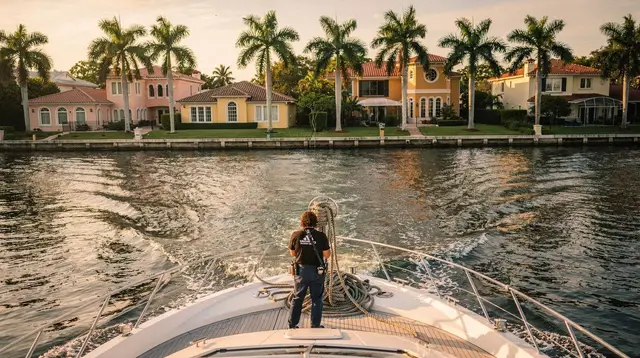
Cross one of the causeways to Miami Beach — a separate city from Miami, on its own barrier island, never a Miami neighbourhood. Walk South Beach’s free public beach in the morning, then take a slower look at the Art Deco Historic District along Ocean Drive and Lincoln Road. If you’d rather see the pastel façades from the water, a short outing on a rented boat covers South Beach and Biscayne Bay in a couple of hours:
a guided speedboat run along South Beach and Biscayne BayIf Ocean Drive and Lincoln Road leave you wanting a guided version of the Art Deco story rather than a self-guided walk, the South Beach Art Deco tours run through the same district with more history attached. Either way, have an early dinner and an early night — day three starts before sunrise.
Day 3: the Bahamas, in one day
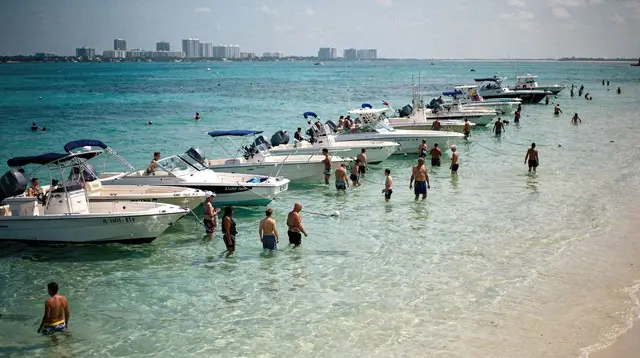
This is the day the rest of the itinerary is built around. Fast ferries and day-cruise operators leave Miami or Port Everglades early — often before 7 a.m. — for Bimini or Grand Bahama (Freeport), with crossings that generally run a couple of hours each way. A seaplane transfer to Bimini cuts travel time but costs more and carries tighter baggage limits:
a day trip to Bimini by fast ferry, with beach time on arrival a four-stop snorkeling outing around Bimini’s reefsBefore you board, three things have to be true, no exceptions:
- You are carrying a passport. This is international travel, whether you’re gone six hours or overnight. No other ID substitutes.
- You have a valid ESTA or visa to get back into the US. The Bahamas crossing does not clear or renew anything on the US side.
- The time you spend in the Bahamas counts toward your 90-day ESTA stay. If you’re already close to that limit from time in the US, the day trip eats into it rather than sitting outside it.
Seas can be rough enough that operators delay or cancel a crossing — this happens independent of hurricane season and isn’t something to gamble a tight schedule on. If you’re unsure whether a fast ferry or a seaplane suits you better, compare the two options before booking. Return to Miami by evening; most operators run you back by early evening on the same boat or a later departure.
Travellers weighing whether the whole detour is worth a single day should read is a Bahamas day cruise from Miami worth it before committing — it lays out the trade-off between the early wake-up, the crossing time, and the hours actually spent on the sand at the other end.
Day 4: a quieter day back in Florida
After an early departure and a long day, day four is deliberately light. Key Biscayne across the Rickenbacker Causeway is a good half-day: Crandon Park’s beach, and the lighthouse at Bill Baggs Cape Florida State Park. If you’d rather stay on the water instead of on sand, an afternoon on a chartered boat covers the bay at an easy pace:
an afternoon yacht outing across Biscayne BayIf sand and sun feel repetitive after the beaches on Bimini or Grand Bahama the day before, swap the lighthouse walk for something indoors: Vizcaya Museum and Gardens in Coconut Grove is a short rideshare from South Beach and gives your legs a break without wasting the day. Dinner back in South Beach or Brickell closes out the day — nothing that requires an early alarm tomorrow.
Day 5: departure
Use the morning for anything left on the list — a last walk on South Beach, a coffee in Little Havana — and build in time to reach MIA or FLL well ahead of your flight. If your trip included the Bahamas leg on day three, keep your passport and any Bahamian entry paperwork accessible until you’re through US immigration on the way home, in case it’s asked for again.
Passport, ESTA and getting back into the US
This section is worth reading twice, because it’s the part every other itinerary on this site skips.
- Passport, no exceptions. A US driver’s license or state ID does not work for the Bahamas crossing, even for a few hours.
- ESTA is not a visa. It’s an online travel authorization for the 42 Visa Waiver Program countries, applied for only at esta.cbp.dhs.gov, never through a third-party site that charges extra. See the full entry rules for Miami before you travel.
- The 90-day clock keeps running in the Bahamas. If your ESTA stay is 90 days, a day (or two) spent in the Bahamas is a day (or two) off that total — not a free pass outside it.
- You need a valid ESTA or visa to come back. Re-entering the US after the Bahamas is a fresh immigration check, not a formality.
- Restricted-country exception: travellers who’ve been to Cuba since January 12, 2021, or to Iran, Iraq, North Korea, Libya, Somalia, Sudan, Syria, or Yemen since March 1, 2011, are not eligible for ESTA and need a B-2 visa instead — plan for that well before day three.
- Weather can cancel the crossing. Rough seas are a normal reason for a delayed or cancelled sailing; it isn’t a sign of anything more serious, and it isn’t something to predict for a specific date.
None of this makes the day trip complicated — it just means the passport and the paperwork go in your bag before the swimsuit does.
Packing and budgeting for the crossing
The gear list for this trip is short but non-negotiable: passport (with the usual six-months-validity margin airlines and ferry operators tend to expect), a dry bag or ziplock for it once you’re on the water, sun protection, and a swimsuit you don’t mind salt water on. The general what to pack for Miami guide covers everything else — lightweight layers for air-conditioned interiors, real walking shoes for the Art Deco district, and a light rain layer for the wetter months.
On money: prices throughout this itinerary, on both the Miami and Bahamas legs, are shown before tax. Miami-Dade County adds a 7% sales tax to restaurant and bar bills, and tipping 18–20% is the norm, not an option — the Miami tipping, taxes and resort fees guide breaks down where those add-ons show up so the final bill isn’t a surprise on either side of the crossing.
Frequently asked questions about a Miami and Bahamas itinerary
Do I need a passport for a one-day Bahamas trip from Miami?
Yes, always. Crossing to Bimini or Grand Bahama is international travel regardless of how short the visit is, and a valid passport is required to board the ferry or cruise and to clear Bahamian and US immigration.
Does a Bahamas day trip reset my 90-day ESTA stay?
No. Time spent in the Bahamas counts toward the same 90-day Visa Waiver Program limit as time in the United States. The crossing does not restart the clock, and you need a valid ESTA or visa to come back into the US.
Can bad weather cancel the Bahamas crossing?
Yes. Fast ferries and day-cruise operators can delay or cancel a crossing when seas are rough, independent of any named storm. Build a buffer day where possible and confirm the operator’s rebooking policy before paying.
Should I fly or take a fast ferry to Bimini?
Both run as day trips from South Florida. A fast ferry crossing typically takes a couple of hours each way from Miami or Port Everglades, while a seaplane or small-aircraft transfer is quicker but pricier and has its own baggage limits, so weigh the extra cost against the time saved.
Is Bimini or Grand Bahama better for a day trip?
Bimini sits closer to Miami and suits a shorter crossing with beach and snorkeling time on arrival. Grand Bahama (Freeport) is farther but often runs on organized day-cruise itineraries with meals and excursions bundled in, which suits travellers who want less to plan.
Do I still pay Miami-Dade sales tax and tipping on this trip?
Yes, on the Miami and South Beach portions. Restaurant and bar bills carry a 7% sales tax before an expected 18–20% tip, and some Miami Beach restaurants already add a service charge, so check the bill before tipping twice.
What if I’ve been to Cuba, Iran, or a few other restricted countries?
Travellers who have been to Cuba since January 12, 2021, or to Iran, Iraq, North Korea, Libya, Somalia, Sudan, Syria, or Yemen since March 1, 2011, are not eligible for ESTA and need a B-2 visa instead, which affects planning time before this trip.
tours.5 days
Verified deep-linked GetYourGuide tours. Book through these links and we earn a small commission at no cost to you.
GetYourGuide does not provide a product photo for this activity — the image shows the meeting point, photographed by us.