Spring break in Miami: what to know before you go
Is spring break a good time to visit Miami?
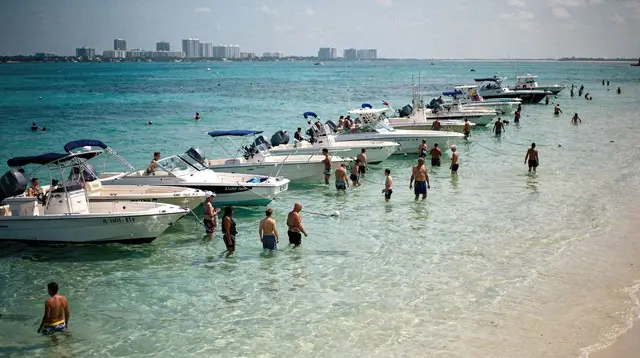
It depends what you want. South Beach gets noticeably more crowded, louder, and pricier during the student peak in dry season, with heavier police presence and stricter enforcement of the 21-and-over drinking age. Travellers who want a quieter beach trip usually do better elsewhere in the city or a bit later in the season.
What actually happens in South Beach during the student peak
Every year, a stretch of the dry season — roughly February through April, driven by different colleges taking their breaks at different times rather than one fixed week — brings a large wave of college-age visitors to South Beach. This guide isn’t a party itinerary. It’s a plain account of what changes for anyone visiting during this window, and the rules that matter most: the legal drinking age, ID checks, the ban on alcohol on public beaches, and what happens to prices and noise levels along Ocean Drive and the Art Deco Historic District.
If your idea of a Miami trip is calm mornings on the sand and an early night, this particular stretch of the calendar is not the best fit for South Beach specifically. The rest of Miami Beach and mainland Miami carry on largely as normal.
Where the crowds actually concentrate
The wave of visitors is not evenly spread across South Beach, let alone across Miami Beach as a whole. It bunches heavily along Ocean Drive between roughly 5th and 15th Street — the strip of hotel bars, clubs, and sidewalk restaurants that anchors the Art Deco Historic District. A block or two back from the water, on Collins Avenue or Washington Avenue, the density drops noticeably even at the same hour. Further north, North Beach keeps its normal, mostly local, mostly quiet character throughout the same weeks — same island, same causeways, a completely different feel once you’re a mile or two up the coast.
This matters for planning because it means “South Beach” and “spring break chaos” aren’t quite synonyms. A hotel on the quieter end of the same neighbourhood, or a walk of ten or fifteen minutes away from Ocean Drive, changes the experience substantially without giving up beach access altogether. It’s worth checking a map, not just a neighbourhood name, before booking.
The three rules that matter most
Legal drinking age: 21, no exceptions. This is Florida state law, not a house policy, and it applies to everyone regardless of what’s legal at home. Bars, clubs, restaurants, and liquor stores in South Beach check photo ID, and enforcement is visibly tighter during the student peak. A passport or a driver’s licence with a date of birth is the standard. A photo of an ID on a phone is not accepted anywhere reputable.
Alcohol is banned on most public beaches. South Beach’s sand is public beach, and drinking there is prohibited — not loosely enforced, actively enforced, with fines. This surprises a lot of first-time visitors who assume beach drinking is normal in a place with this reputation. It isn’t. Alcohol stays inside licensed venues: bars, restaurants, hotel pool decks, and private terraces.
ID checks are not a formality here. During the peak weeks, door staff and police are specifically watching for underage drinking, and the consequences (confiscated ID, fines, occasionally an arrest for a fake ID) are real. This is one of the few times in a Miami guide worth saying plainly: don’t try to get around this rule.
What changes for any visitor, not just students
| What | Normal dry season | Spring break peak |
|---|---|---|
| South Beach hotel rates | High (dry season is already peak pricing) | Higher again, and rooms sell out further ahead |
| Ocean Drive foot traffic | Busy, walkable | Very dense, especially evenings |
| Noise, late-night | Moderate | Loud into the early hours on the main strip |
| Police presence | Standard | Visibly increased; some years bring temporary street closures or curfews at flashpoint corners |
| Beach alcohol enforcement | Enforced | Enforced more visibly |
| Parking in South Beach | Already limited and pricey | Scarcer still |
None of this means South Beach is unsafe — the heavy police presence is largely a response to how busy it gets, not a sign of a dangerous destination. A general look at how safe Miami is for tourists puts the student peak in context: the usual precautions (licensed transport, watching belongings in a crowd, sticking to well-lit main streets late at night) matter more here simply because there are more people and more opportunity for petty theft, not because the underlying risk profile of the city has changed. It means the experience shifts from “beach town” to “dense, loud, closely managed crowd,” and that’s worth knowing before booking a room three blocks from Ocean Drive expecting a quiet trip.
If you want to avoid it
South Beach is one small part of a large metro area, and stepping away from it changes the experience completely, even during the same week.
- Downtown and Brickell: Miami’s business district on the mainland, a Metromover ride from the water, with none of the beach-strip density.
- Coconut Grove and Coral Gables: leafy, residential, built around Vizcaya Museum and Gardens rather than nightlife.
- Little Havana: a different pace entirely, centred on Calle Ocho and Cuban cafés rather than the beach.
- Key Biscayne: still a beach, still close to Downtown, but a separate island with a quieter, more residential feel than South Beach.
- Booking further north in North Beach or Mid-Beach keeps you on the same barrier island with a shorter walk to the main strip when you want it, and a calmer base when you don’t.
A broader comparison of where to base yourself — South Beach versus Brickell — is worth reading before booking, since the two areas suit very different trips even outside the peak weeks. A wider where to stay in Miami overview covers the rest of the city’s neighbourhoods for travellers who’d rather skip the beach strip entirely for this trip.
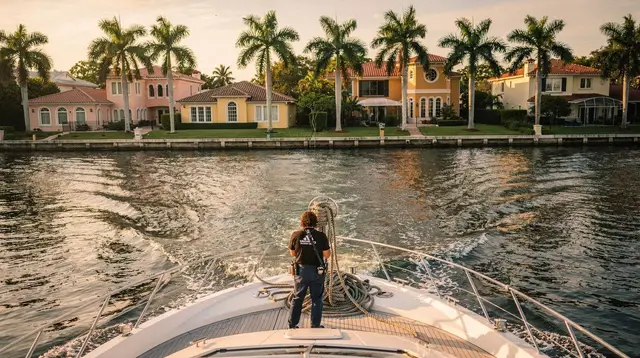
For visitors who want daytime activities away from the strip, options like a guided city tour covering Downtown, Little Havana, and the wider metro area or a speedboat ride along Biscayne Bay put the focus on the water and the skyline rather than Ocean Drive’s bar strip. A jet car tour around the bay or a flyboarding session off the coast are similarly self-contained and don’t depend on how busy the beach is that week.
If you’re travelling with kids during this stretch
Spring break in the college sense and school spring break for families often land in overlapping weeks, which catches some parents off guard. The two crowds want very different things from the same beach, and a South Beach hotel booked for a family trip during the student peak can be a mismatch — louder nights, later noise, and a bar-and-club scene that isn’t aimed at anyone travelling with children.
Families visiting during this window generally do better basing themselves away from the Ocean Drive strip: Coconut Grove and Coral Gables, Key Biscayne, or Downtown and Brickell all offer a calmer base with easy access to the beach when you want it and a quiet hotel when you don’t. A dedicated Miami with kids guide and a family week in Miami itinerary both build around this same idea — staying somewhere that suits a family trip and treating South Beach as a daytime visit rather than a home base.
Nightlife, daytime, and where the peak actually changes things
Even outside the student weeks, South Beach has a genuine nightlife scene, covered in more depth in a Miami nightlife guide — clubs, rooftop bars, and beach clubs that operate year-round. What changes during the peak isn’t that nightlife appears out of nowhere; it’s the volume, the queues, and the age of the crowd on any given night. Daytime, the picture is calmer: beach clubs and pool day passes still run largely as normal, and South Beach’s food and drink scene doesn’t shut down or lose its range just because a louder crowd has moved in for the evening. Reservations matter more than usual, though — a table that’s normally walk-in can require booking ahead during the busiest weeks.
What locals and repeat visitors actually do
Long-time visitors and Miami-Dade residents tend to treat the student peak as a known, predictable event rather than something to work around in a complicated way. The common pattern is simple: avoid Ocean Drive itself in the late evening and overnight hours during the busiest weeks, keep beach time to the morning and early afternoon when the strip is calmer, and shift dinner reservations and nightlife plans a few blocks inland or to a different neighbourhood entirely. None of this requires skipping South Beach — it just means treating the loudest few blocks, at the loudest few hours, as optional rather than mandatory.
The same logic applies to anyone flying in for a short trip who didn’t realise the dates would overlap with the peak. Rather than cancelling or relocating a whole booking, most visitors find that shifting the daily rhythm — beach and sightseeing by day, a quieter dinner spot away from the strip, an earlier night — gets most of what a South Beach trip promises without much of what makes the peak weeks tiring. It’s a manageable adjustment, not a reason to avoid the neighbourhood altogether.
Costs during the peak weeks
Expect standard dry-season pricing to run higher again for South Beach hotels specifically during the student peak — this is on top of already-elevated winter rates, not instead of them. Book well in advance if a South Beach address matters to you; otherwise, mainland neighbourhoods and Key Biscayne generally hold steadier pricing.
The usual Miami-Dade sales tax and hotel taxes still apply on top of any quoted room rate, and tipping expectations (18–20% at restaurants and bars) don’t change during busy weeks — if anything, service staff are working harder and tips reflect that.
Practical notes for international visitors
Entry rules don’t change during this period: travellers from Visa Waiver Program countries still need an ESTA — an online travel authorisation, not a visa — applied for only at esta.cbp.dhs.gov, and everyone else needs a B-2 visa. What does change is that South Beach hotels, restaurants, and venues are working at higher capacity, so service can be slower and reservations more necessary than usual, including for restaurants that don’t normally take them.
Getting around gets slightly harder too: the free Metromover covers Downtown and Brickell but doesn’t reach South Beach, so rideshare pricing there tends to surge during the busiest evening hours. Walking is often faster than driving within South Beach itself once the strip fills up, and parking is scarcer than the already-tight normal baseline.
Getting to South Beach and around it during the peak
Most visitors arrive through Miami International Airport, around 30–40 minutes from South Beach outside the worst traffic, longer once the causeways back up during the busiest evenings. A rundown of airport and cruise port transfer options is worth checking ahead of time rather than assuming a rideshare will be quick and cheap the moment you land during peak weeks.
Driving yourself is an option but not necessarily a convenient one this time of year — renting a car in Miami covers tolls and the parking situation in more detail, and South Beach parking specifically is already limited and priced accordingly before the crowds arrive. Once you’re on the barrier island, walking or a short rideshare hop covers most of what South Beach itself offers; a car mostly matters for reaching the mainland or other parts of the metro area.
Planning your dates around it
Because the peak isn’t a single fixed week, the most useful move is checking with your own accommodation directly about which weeks they expect to be busiest, rather than relying on a single calendar date. A broader look at the best time to visit Miami sets this stretch in context against the rest of the dry season, and Miami in winter covers the months just before it, when pricing is high but the crowd is different. Travellers who’d rather sidestep the whole question can look at a three-day or weekend in Miami itinerary built around a different time of year, or simply treat South Beach as one stop on a longer trip rather than the entire booking.
None of this is about avoiding Miami during these weeks — the Everglades, the Florida Keys, and mainland Miami neighbourhoods run on their own schedule regardless of what’s happening on Ocean Drive, and a how many days in Miami guide can help fit a trip together around whichever weeks you’re actually travelling.
The honest summary
South Beach during the student peak is not the same trip as South Beach the rest of the dry season. It’s louder, more crowded, more expensive, and more heavily policed — none of which is a secret, and none of which should come as a surprise if you book knowing what week you’re arriving in. The 21-and-over drinking age and the ban on beach alcohol aren’t specific to this period, but they’re enforced more visibly, and worth knowing before you go rather than finding out at the door of a club or from a police officer on the sand.
If a quieter South Beach is what you actually want, the safer move is booking outside this stretch of the calendar, or staying in one of the calmer mainland neighbourhoods and visiting the beach strip during the day rather than basing a whole trip there.
Seasonal guides for visiting Miami year-round
Verified deep-linked GetYourGuide tours. Book through these links and we earn a small commission at no cost to you.
GetYourGuide does not provide a product photo for this activity — the image shows the meeting point, photographed by us.